
The Urgency of Climate Change
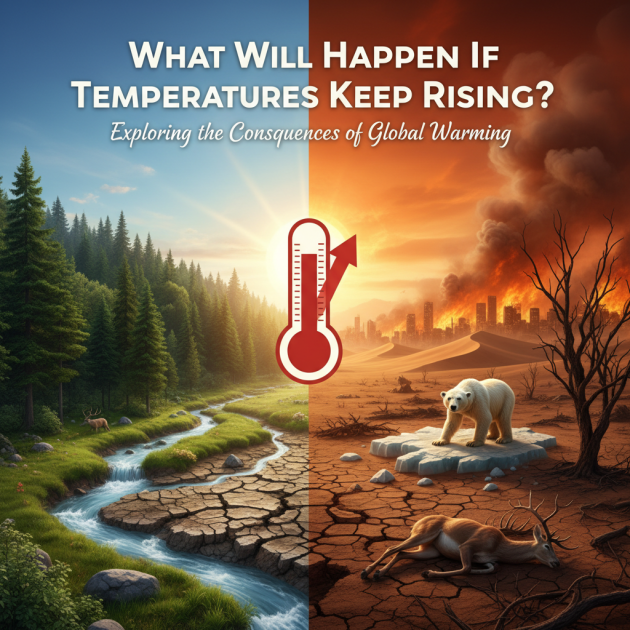
Global warming, primarily driven by human activities such as fossil fuel consumption and deforestation, is causing average temperatures to increase at an alarming rate. If these temperatures keep rising, the consequences for our planet could be catastrophic.
1. Melting Ice Caps and Rising Sea Levels
One of the most visible effects of rising temperatures is the accelerated melting of ice caps and glaciers. The polar regions are warming at twice the global average rate, leading to:
- Increased Sea Levels: As ice melts, it contributes to rising sea levels, which threaten coastal communities worldwide. Projections estimate sea levels could rise by over 3 feet by 2100 if current trends continue.
- Habitat Loss: Species that rely on ice-covered regions, such as polar bears and seals, face extinction as their habitats disappear.
2. Extreme Weather Events
Rising temperatures are linked to an increase in the frequency and intensity of extreme weather events, including:
- Heatwaves: Longer and more severe heatwaves can lead to health crises, especially among vulnerable populations.
- Storms and Flooding: Warmer air holds more moisture, resulting in heavier rainfall and flooding. Superstorms like hurricanes may become more intense, causing widespread destruction.
- Wildfires: Increased temperatures and prolonged droughts create ideal conditions for wildfires, devastating ecosystems and communities.
3. Disruption of Ecosystems
The rise in global temperatures disrupts delicate ecosystems, leading to:
- Biodiversity Loss: Many species cannot adapt quickly enough to the changing climate, leading to extinction. The World Wildlife Fund estimates that over 1 million species are at risk.
- Shifts in Food Chains: As species migrate in search of suitable habitats, the balance of ecosystems is altered, affecting food chains and the services they provide.
- Coral Bleaching: Warmer ocean temperatures cause coral reefs to expel the algae they rely on for nourishment, leading to widespread coral bleaching and the loss of marine biodiversity.
4. Impact on Agriculture
Rising temperatures also present significant challenges for global agriculture:
- Crop Yields: Changes in temperature and precipitation patterns can lead to reduced crop yields. Staple crops like wheat and rice are particularly vulnerable.
- Pests and Diseases: Warmer temperatures can expand the range of agricultural pests and diseases, threatening food security.
- Water Scarcity: Increased evaporation rates and altered precipitation patterns can lead to water scarcity, affecting irrigation and drinking water supplies.
5. Human Health Risks
As temperatures rise, human health risks also increase:
- Heat-Related Illnesses: Increased temperatures can lead to heat exhaustion, heatstroke, and cardiovascular problems.
- Respiratory Issues: Higher temperatures can exacerbate air pollution and increase respiratory illnesses.
- Vector-Borne Diseases: Changes in climate can expand the range of diseases spread by insects, such as malaria and dengue fever.
Conclusion
The consequences of rising global temperatures are profound and far-reaching. Immediate action is essential to mitigate these effects and protect our planet for future generations. By reducing greenhouse gas emissions, transitioning to renewable energy, and promoting sustainable practices, we can work towards a more stable climate.