
Introduction
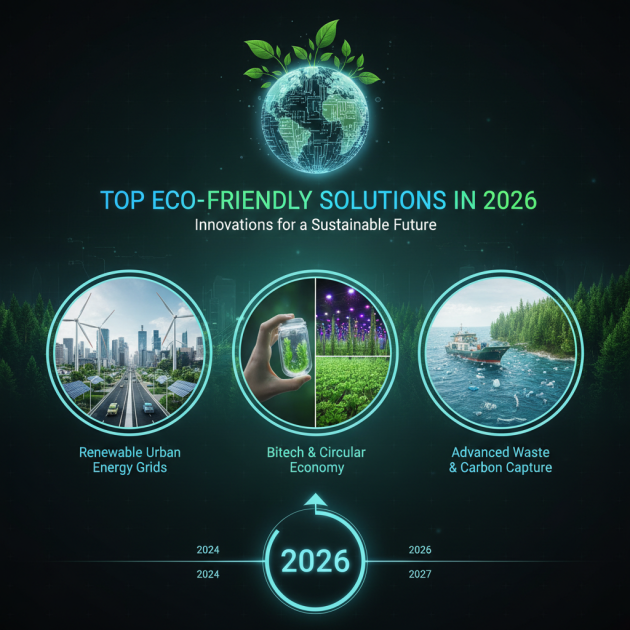
As we move further into the 21st century, the urgency to adopt sustainable practices has never been more critical. By 2026, advancements in technology and a growing awareness of environmental issues have led to innovative eco-friendly solutions that promise to reshape our world. From renewable energy sources to sustainable agriculture, let's explore the top eco-friendly solutions making waves this year.
1. Renewable Energy Innovations
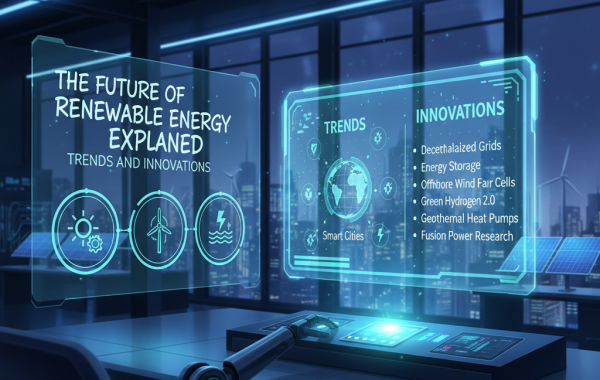
Renewable energy continues to be at the forefront of eco-friendly solutions. In 2026, several promising innovations stand out:
- Advanced Solar Panels: New photovoltaic materials allow for greater efficiency and lower costs, enabling more homes and businesses to harness solar energy.
- Offshore Wind Farms: The expansion of offshore wind farms has become a game-changer, providing clean energy to coastal cities and reducing reliance on fossil fuels.
- Hydrogen Fuel Cells: With improvements in hydrogen production and storage, fuel cells are now a viable solution for transportation, offering zero-emission alternatives to gasoline-powered vehicles.
2. Sustainable Agriculture Practices
Farming practices are evolving to meet the challenges of climate change and resource scarcity. Key sustainable agriculture solutions in 2026 include:
- Vertical Farming: Utilizing urban spaces for vertical farms reduces land use and transportation emissions while providing fresh produce year-round.
- Permaculture Techniques: These methods focus on creating self-sustaining ecosystems, minimizing waste, and enhancing biodiversity.
- Biodegradable Pesticides: Natural alternatives to chemical pesticides are gaining popularity, reducing harmful impacts on ecosystems.
3. Waste Management Innovations
Efficient waste management is crucial for sustainability. By 2026, several innovations have emerged:
- Circular Economy Models: Companies are adopting circular economy principles, designing products for longevity and recyclability, minimizing waste.
- Smart Waste Sorting: AI-powered waste sorting technologies are helping recycling facilities improve efficiency and reduce contamination.
- Composting Solutions: Home composting systems have become more accessible, encouraging households to turn organic waste into nutrient-rich soil.
4. Sustainable Transportation
Transportation is a significant contributor to carbon emissions, but 2026 has seen various eco-friendly solutions:
- Electric Vehicles (EVs): The surge in EV adoption, supported by improved battery technology and charging infrastructure, is transforming the automotive industry.
- Public Transit Enhancements: Cities are investing in electric buses and light rail systems, providing efficient and green alternatives to personal vehicles.
- Bike Sharing Programs: Expanding bike-sharing initiatives promote healthier commuting options and reduce traffic congestion.
5. Green Building Technologies
The construction industry is also embracing sustainability. Notable trends in green building technologies include:
- Energy-Efficient Design: Buildings are now designed with energy efficiency in mind, utilizing natural light and ventilation to reduce energy consumption.
- Recycled Materials: The use of recycled and upcycled materials in construction is becoming standard practice, minimizing the need for new resources.
- Smart Home Systems: Integrating smart technology allows homeowners to monitor and manage energy use effectively, leading to reduced carbon footprints.
Conclusion
The eco-friendly solutions of 2026 reflect a significant shift toward sustainability across various sectors. By embracing these innovations, we can create a healthier planet for future generations. As we continue to confront environmental challenges, it's essential to support and implement these practices, ensuring a sustainable future for all.