
The Rise of Natural Disasters
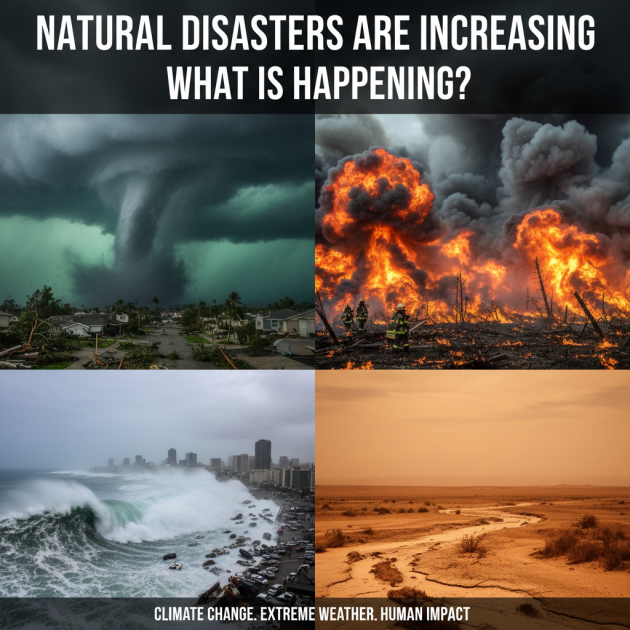
In recent years, the world has witnessed an alarming increase in the frequency and intensity of natural disasters. From devastating hurricanes and wildfires to catastrophic floods and earthquakes, these events have profound impacts on communities and ecosystems. But what is driving this trend, and what can we do about it?
Understanding the Causes
Scientists agree that several factors are contributing to the rise in natural disasters:
- Climate Change: The most significant driver of increased natural disasters is climate change. Rising global temperatures are linked to more extreme weather patterns, leading to stronger storms, prolonged droughts, and heavier rainfall.
- Urbanization: As more people move to urban areas, the impact of natural disasters becomes more pronounced. Densely populated regions are often more vulnerable to the effects of disasters, resulting in higher casualties and property damage.
- Deforestation: The loss of forests reduces the land’s ability to absorb rainfall and mitigate floods. Deforestation also disrupts local climates, exacerbating the conditions for natural disasters.
- Seismic Activity: While earthquakes are natural occurrences, human activities such as fracking and mining can influence seismic activity, leading to more frequent and severe quakes.
Recent Examples of Increasing Natural Disasters
To illustrate the growing threat of natural disasters, let’s examine a few recent events:
- Hurricane Ida (2021): This hurricane struck the Gulf Coast and caused catastrophic flooding in the northeastern United States, leading to widespread destruction and loss of life.
- California Wildfires (2020): The wildfires in California burned millions of acres, fueled by extreme heat and prolonged drought, highlighting the impact of climate change on fire intensity.
- European Floods (2021): Severe flooding in Germany and Belgium claimed lives and caused billions in damages, showcasing how climate change is affecting weather systems across the globe.
The Societal Impact
The increase in natural disasters has far-reaching effects on society:
- Economic Strain: Natural disasters often lead to substantial economic losses, affecting industries and local economies. Recovery can take years, putting additional strain on resources.
- Displacement: Millions of people are displaced due to natural disasters, leading to humanitarian crises and increased pressure on infrastructure and services in host communities.
- Health Risks: The aftermath of natural disasters can lead to health issues, including mental health problems, spread of diseases, and food and water shortages.
What Can Be Done?
While the increase in natural disasters poses significant challenges, there are actions we can take to mitigate their impact:
- Invest in Infrastructure: Building resilient infrastructure can help communities better withstand natural disasters and recover more quickly.
- Promote Sustainable Practices: Encouraging sustainable land use, reforestation, and conservation efforts can help reduce the severity of disasters.
- Enhance Preparedness: Communities should invest in disaster preparedness programs, including education, training, and emergency response plans.
- Address Climate Change: The most effective long-term solution is to address the root cause of climate change through policy changes, reducing carbon emissions, and promoting renewable energy sources.
Conclusion
The increasing frequency and intensity of natural disasters are a stark reminder of the challenges posed by climate change and human activity. As we face these unprecedented events, it is crucial to take action both individually and collectively to mitigate their impacts and adapt to the changing environment. By understanding the causes and implementing effective solutions, we can work towards a more resilient future.