Introduction
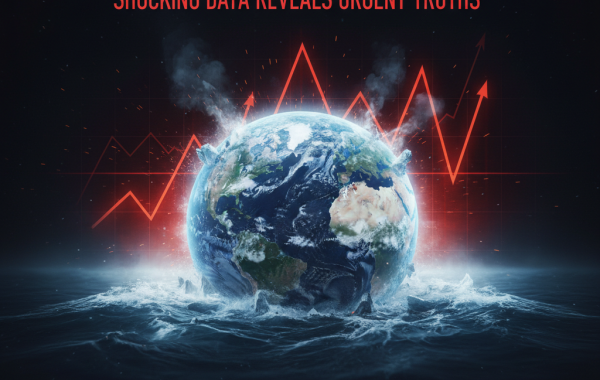
The climate crisis is no longer a distant threat; it is an immediate reality that is unfolding before our eyes. Recent data reveals that the pace of climate change is accelerating at an unprecedented rate, indicating a critical juncture for our planet's future.
Shocking Data Unveiled
Global temperatures are rising faster than predicted, with the last decade being the hottest on record. According to the latest reports from the Intergovernmental Panel on Climate Change (IPCC), we are on track to exceed the crucial 1.5°C threshold by 2030.
1. Rising Global Temperatures
- 2022 was 1.1°C warmer than pre-industrial levels.
- Climate models indicate a potential temperature rise of up to 2.7°C by 2100 if current trends continue.
These alarming statistics underscore the urgency of the situation. The continuous rise in temperature is not just a number; it has dire implications for ecosystems and human life.
2. Increasing Frequency of Extreme Weather Events
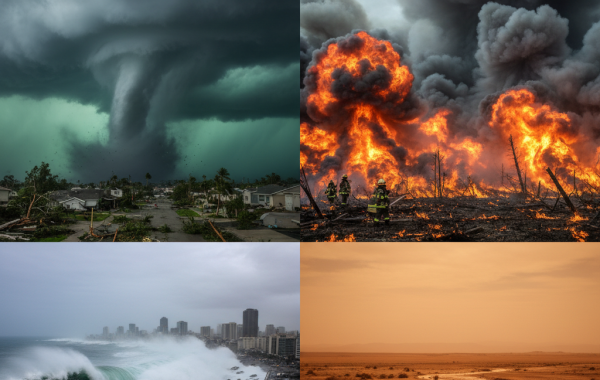
Extreme weather conditions are becoming more common, with devastating impacts:
- Heatwaves: Regions across the globe have experienced record-breaking heat.
- Flooding: Heavy rainfall and storms have caused severe flooding, leading to loss of life and property.
- Wildfires: Forest fires are raging in areas previously unaffected, devastating habitats and communities.
These events are a direct consequence of climate change, impacting agriculture, health, and economies worldwide.
3. Melting Ice and Rising Sea Levels
The polar ice caps are melting at an alarming rate. The data shows:
- The Arctic is warming twice as fast as the global average.
- Sea levels are rising at a pace of 3.3 millimeters per year, threatening coastal cities.
With millions of people living in vulnerable coastal areas, this rise poses an existential threat to communities, infrastructure, and biodiversity.
The Implications of Inaction
Ignoring these warnings may lead to catastrophic outcomes:
- Food Insecurity: Climate change disrupts food production, leading to shortages and increased prices.
- Health Risks: Increased pollution and heatwaves can exacerbate health issues, particularly in vulnerable populations.
- Economic Strain: The financial burden of disasters and adaptation measures could cripple economies.
What Can Be Done?
While the situation is dire, there is still hope. Immediate action is required to mitigate the worst effects of climate change:
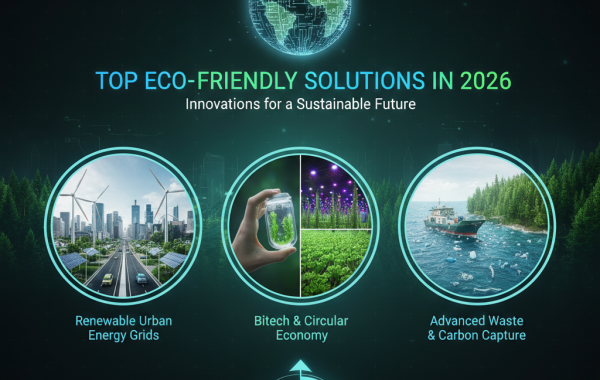
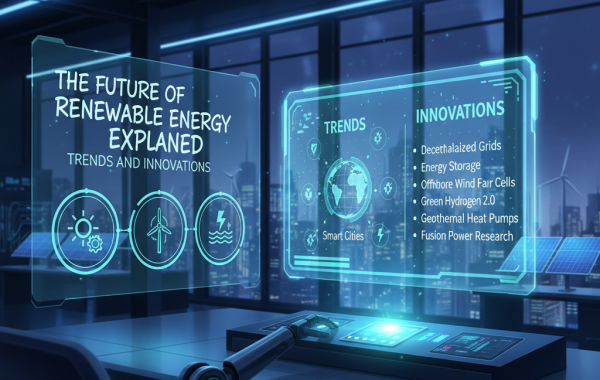
- Reduce Carbon Emissions: Transitioning to renewable energy sources is essential.
- Invest in Green Technology: Innovation in sustainable practices can help us adapt and thrive.
- Raise Awareness: Education and advocacy are crucial in mobilizing communities and influencing policy.
Conclusion
The data is clear: the climate crisis is accelerating and requires urgent attention from all of us. By understanding the severity of the situation and taking collective action, we can combat the looming threats and create a sustainable future for generations to come.