Introduction
The education landscape in Europe is witnessing a seismic shift in 2026, driven by the rapid adoption of AI-powered learning platforms. These technologies are not just tools but are transforming how students learn and how teachers instruct. In this article, we will explore how personalized learning, teacher adaptation, and the automation of classrooms are reshaping education systems across Europe.
The Rise of AI in Education
Artificial Intelligence has become a cornerstone in the evolution of educational methodologies. AI-driven platforms offer tailored learning experiences, adapting to the unique needs of each student. This level of personalization allows students to learn at their own pace, focusing on areas where they need the most improvement.
Personalized Learning: A Game-Changer
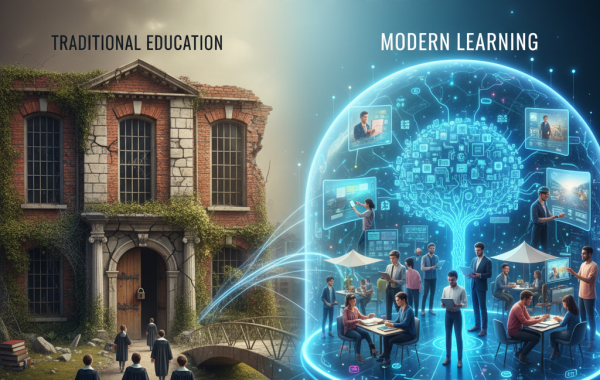
One of the most significant advantages of AI in education is the ability to provide personalized learning paths. Traditional education often follows a one-size-fits-all approach, but AI can analyze individual student performance and preferences to create customized learning experiences. This includes:
- Adaptive Learning: AI algorithms assess a student's strengths and weaknesses, adjusting the curriculum to match their skill level.
- Real-Time Feedback: Students receive immediate feedback on their performance, allowing them to understand their mistakes and learn from them promptly.
- Customized Resources: AI can recommend additional resources tailored to individual learning styles, enhancing engagement and understanding.
Teacher Adaptation: Evolving Roles
As AI platforms take over routine administrative tasks and grading, teachers can focus more on pedagogy and student engagement. In this new paradigm, educators are becoming facilitators of learning rather than mere transmitters of knowledge. Key adaptations include:
Enhanced Teacher Support
AI tools provide teachers with detailed insights into their students’ learning habits, helping them identify which students may need extra support. This allows teachers to:
- Identify Struggling Students: With data analytics, teachers can quickly pinpoint which students are falling behind and intervene accordingly.
- Focus on High-Impact Teaching: Freed from repetitive grading and administrative duties, teachers can devote more time to developing innovative teaching strategies.
- Collaborative Learning Environments: AI encourages a more interactive classroom where teachers and students work together to solve problems.
Challenges of Automation
Despite the benefits, the automation of classrooms raises several concerns. The reliance on AI can lead to:
- Data Privacy Issues: With the collection of vast amounts of student data, ensuring privacy and security becomes a critical concern.
- Equity in Access: Not all students have equal access to technology, which can exacerbate existing educational inequalities.
- Teacher Job Security: There are fears that AI could eventually replace teaching jobs, although most experts agree that technology should complement, not replace, human educators.
Benefits of AI in Education
While there are risks, the benefits of AI in education far outweigh the challenges when effectively implemented:
- Increased Engagement: AI platforms often include gamified elements that make learning more appealing to students.
- Scalability: AI can facilitate the education of larger groups of students without compromising the quality of learning.
- Continuous Improvement: AI systems evolve as more data is collected, continually improving the learning experience.
Conclusion
As we move further into 2026, it is clear that AI-powered learning platforms are pivotal in transforming education systems across Europe. By fostering personalized learning and supporting teachers, these technologies are setting the stage for a more effective and engaging educational experience. However, as we embrace these advancements, it is crucial to remain vigilant about the risks involved and work towards solutions that ensure equity and security in our classrooms.