
Introduction
In the evolving landscape of the job market, certain skills become essential for career advancement. As we look toward 2026, one skill stands out as a game-changer: data literacy. In this article, we will explore what data literacy is, why it's important, and how you can cultivate this vital skill to enhance your career prospects.
Understanding Data Literacy
Data literacy refers to the ability to read, understand, create, and communicate data as information. It involves not just knowing how to use data but also being able to analyze it critically and derive meaningful insights. In an age where data drives decision-making across all sectors, being data literate is no longer optional; it’s a necessity.
The Importance of Data Literacy
1. Informed Decision Making: Data literacy equips you with the tools to make informed decisions based on evidence rather than intuition. This skill allows you to interpret data reports and dashboards effectively.
2. Enhanced Problem-Solving: With the ability to analyze data, you can identify trends, patterns, and anomalies, which helps in solving complex problems in a timely manner.
3. Career Advancement: Employers are increasingly looking for candidates who can leverage data to drive results. Being data literate can set you apart in a competitive job market.
4. Collaboration Across Departments: Data literacy fosters collaboration, as it enables you to communicate insights clearly with team members from different departments, ensuring everyone is aligned.
How to Cultivate Data Literacy
Developing data literacy involves a combination of education, practice, and mindset. Here are some actionable steps you can take:
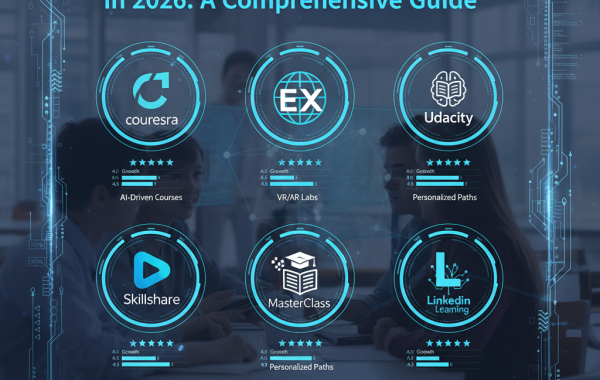
- Take Online Courses: Platforms like Coursera, Udemy, and LinkedIn Learning offer courses on data analysis, data visualization, and statistics tailored for beginners to advanced learners.
- Practice with Real Data: Engage with datasets available on platforms like Kaggle or government databases. Analyzing real-world data helps reinforce your learning.
- Learn Data Visualization Tools: Familiarize yourself with tools such as Tableau, Power BI, or Google Data Studio. These tools can help you present data in a visually appealing way.
- Join Data Communities: Participate in forums or online communities focused on data. Connecting with others can provide support and expose you to different perspectives.
- Stay Updated: Follow industry trends and advancements in data technology. Blogs, podcasts, and webinars are great resources to keep you informed.
Challenges of Becoming Data Literate
While the journey to data literacy is rewarding, it is not without challenges. Here are some obstacles you might encounter:
- Information Overload: The vast amount of data available can be overwhelming. Focus on quality over quantity and start with specific areas relevant to your field.
- Fear of Numbers: Many people feel intimidated by data and numbers. Cultivating a growth mindset and regular practice can help overcome this fear.
- Keeping Up with Technology: Data tools and technologies are rapidly changing. Staying updated can be challenging, but dedicating regular time for learning can help.
Conclusion
In conclusion, as we approach 2026, being data literate is poised to be a pivotal skill in transforming your career. Whether you are just starting out or looking to advance in your current role, investing time in developing data literacy will undoubtedly pay off. Embrace the challenge and watch as your career flourishes in the data-driven world!