
Introduction
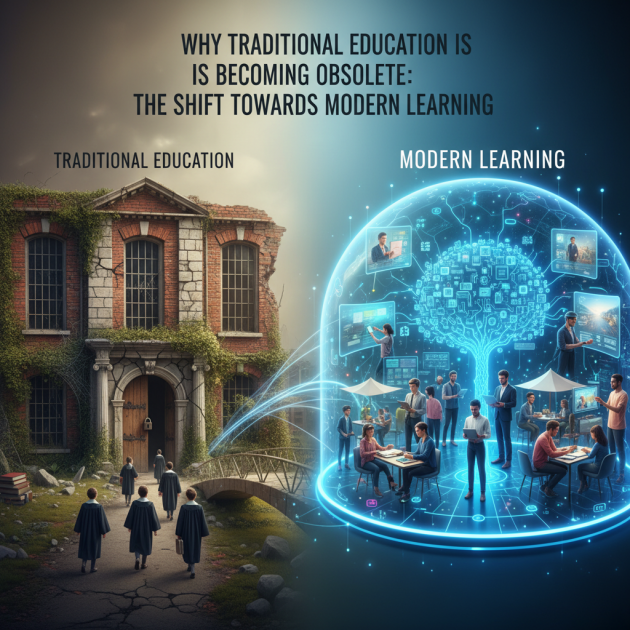
In a rapidly evolving world, the traditional education system is increasingly being questioned. The age-old methods of teaching and learning are struggling to keep up with the needs of modern society. This article delves into the reasons why traditional education is becoming obsolete and highlights the innovative approaches that are reshaping learning.
The Limitations of Traditional Education
Traditional education has been the backbone of knowledge transmission for centuries. However, it has several limitations that make it less effective in today’s context:
- One-Size-Fits-All Approach: Traditional education often employs a standardized curriculum that doesn't cater to individual learning styles and paces.
- Outdated Content: Many educational institutions struggle to keep their curricula updated with the latest knowledge and technological advancements.
- Lack of Practical Skills: The traditional system focuses heavily on theoretical knowledge, which often does not translate into practical skills required in the workforce.
- High Costs: The financial burden of attending traditional schools and universities can be prohibitive, leaving many unable to access education.
- Limited Flexibility: Rigid schedules and locations can hinder students' ability to learn at their own pace or explore diverse subjects.
The Rise of Alternative Education Models
As the limitations of traditional education become more apparent, alternative models are gaining traction:
1. Online Learning Platforms
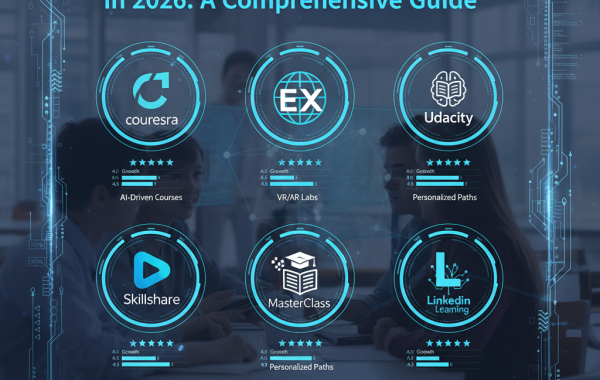
Online education has seen exponential growth, especially in recent years. Platforms like Coursera, Udemy, and Khan Academy offer a wide array of courses that can be accessed from anywhere in the world:
- Accessibility: Students can learn from anywhere, reducing geographical barriers.
- Variety of Courses: A diverse range of subjects and skills can be learned, catering to different interests.
- Self-Paced Learning: Students can learn at their own speed, revisiting challenging topics as needed.
2. Project-Based Learning
Project-based learning (PBL) emphasizes hands-on experiences and real-world problem-solving. This approach engages students in projects that require critical thinking and collaboration:
- Skill Development: PBL helps students acquire practical skills and knowledge that are applicable in the workplace.
- Enhances Engagement: By working on real-life projects, students are more likely to stay motivated and engaged.
3. Lifelong Learning and Micro-Credentials
The concept of lifelong learning is becoming increasingly important as job markets evolve. Micro-credentials allow individuals to gain specific skills without committing to long-term education:
- Focused Learning: Learners can acquire targeted skills that are immediately applicable in their careers.
- Cost-Effective: Micro-credentials are often more affordable than traditional degree programs.
The Role of Technology in Education
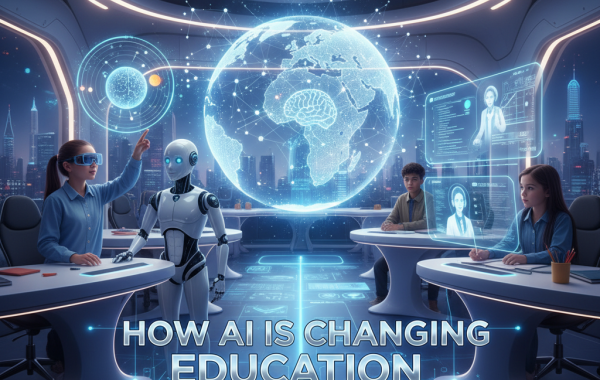
Technology is a driving force behind the shift from traditional education. Tools like artificial intelligence, virtual reality, and gamification are transforming the learning landscape:
- Personalized Learning: AI can analyze student performance and tailor educational experiences to meet individual needs.
- Immersive Experiences: Virtual reality provides students with immersive learning experiences that enhance understanding and retention.
- Engagement: Gamification makes learning more engaging and fun, which can lead to better outcomes.
Conclusion
Traditional education may have served us well for centuries, but its obsolescence is becoming evident. As the world evolves and the needs of learners change, innovative education methods are taking center stage. Embracing these new approaches not only prepares students for the future but also makes learning a more enriching experience.