
The Energy Crisis: An Urgent Challenge
The world is facing an unprecedented energy crisis driven by rising demand, dwindling resources, and the urgent need for sustainable solutions. As nations grapple with the consequences of climate change and depleting fossil fuels, the search for innovative energy solutions has never been more critical.
A Breakthrough Solution: Renewable Energy Innovations
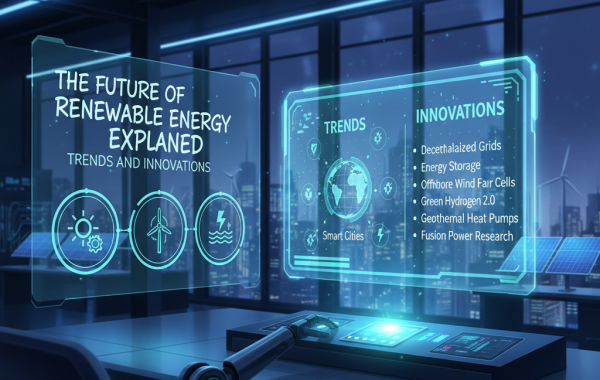
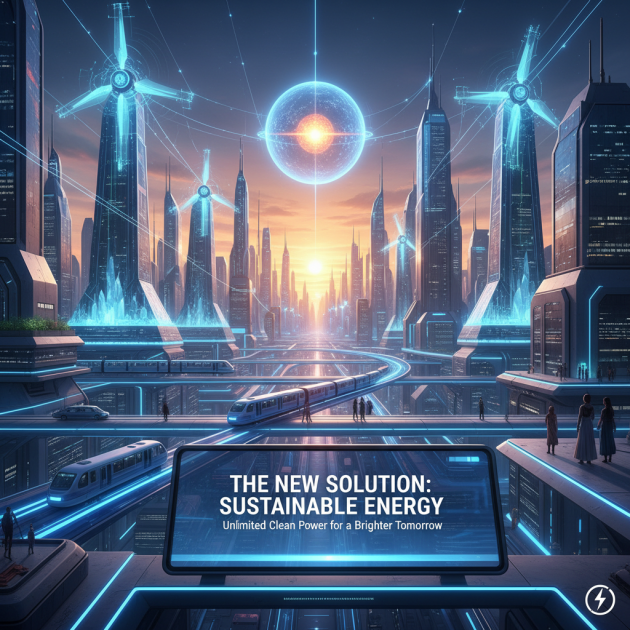
Among various solutions being explored, a groundbreaking approach has emerged that could potentially redefine how we generate and consume energy. This new solution focuses on an integrated model that combines the best of renewable energy technologies including solar, wind, and bioenergy, while also emphasizing energy storage and smart grid technology.
1. Solar Energy: Harnessing the Power of the Sun
Solar energy has long been recognized as a leading contender in the race to sustainable energy. With advancements in photovoltaic technology, solar panels are becoming more efficient and affordable. Innovations like bifacial panels and solar skins are making solar energy more accessible to both residential and commercial users.
2. Wind Power: Tapping into Nature's Force
Wind energy is another crucial pillar of this new solution. Offshore wind farms are gaining traction, significantly increasing energy output compared to traditional onshore installations. The combination of larger turbines and better placement strategies means that wind energy can contribute more effectively to the grid.
3. Energy Storage: The Key to Reliability
One of the challenges with renewable energy is its intermittent nature. Energy storage systems, particularly lithium-ion batteries and emerging technologies like solid-state batteries, provide a way to store excess energy generated during peak production times. This ensures that energy is available when demand peaks.
4. Smart Grids: Enhancing Efficiency
Smart grid technology plays a vital role in this new energy solution. By utilizing real-time data and advanced analytics, smart grids can optimize energy distribution and consumption. This reduces waste, lowers costs, and enhances the reliability of energy supply. Additionally, smart grids facilitate the integration of diverse renewable sources into the energy mix.
The Benefits of This Integrated Approach
This integrated solution not only addresses the immediate energy crisis but also offers long-term benefits:
- Environmental Impact: Reducing reliance on fossil fuels lowers greenhouse gas emissions, contributing to global climate goals.
- Economic Growth: Investing in renewable technologies creates jobs and stimulates local economies.
- Energy Independence: Countries can reduce their dependence on imported fuels, enhancing national security.
- Consumer Savings: Lower energy costs for consumers as renewable energy becomes more prevalent and cheaper to produce.
Challenges Ahead
While the potential of this new solution is immense, several challenges must be addressed. Current infrastructure may need significant upgrades to accommodate the influx of renewable energy. There are also regulatory hurdles and the need for public acceptance of new technologies. Collaboration between governments, private sectors, and communities is essential to overcome these obstacles.
Conclusion: A Path Forward
The new solution combining renewable energy innovations, energy storage, and smart grid technology has the potential to solve the energy crisis and lead us toward a sustainable future. By embracing these technologies, we can not only meet our energy needs but also protect our planet for generations to come.