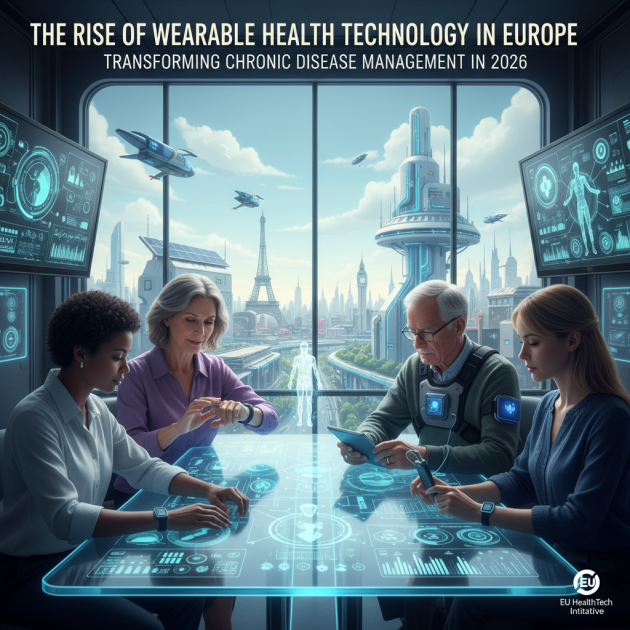

The Evolution of Wearable Health Technology in Europe
As we step into 2026, wearable health technology has become an integral part of healthcare in Europe. With the increasing prevalence of chronic diseases, these innovative devices are helping individuals monitor their health more effectively than ever before. Wearable health tech encompasses a wide range of devices, from smartwatches that track heart rates to advanced biosensors that monitor glucose levels.
Understanding Chronic Diseases
Chronic diseases, such as diabetes, heart disease, and asthma, affect millions across Europe. These conditions often require continuous monitoring and management to prevent complications. Traditional healthcare methods can lead to gaps in patient engagement and timely intervention. This is where wearable technology comes into play.
How Wearable Tech Monitors Chronic Diseases
Wearable devices can collect a wealth of health data, offering real-time insights into a patient's condition. Here are some key ways these devices are making a difference:
- Continuous Monitoring: Wearables can track vital signs such as heart rate, blood pressure, and glucose levels continuously, allowing for immediate detection of any anomalies.
- Data Integration: Many devices sync with mobile apps, enabling users to view their health data in one place, share it with healthcare providers, and receive personalized feedback.
- Alerts and Reminders: Wearables can send alerts for medication schedules, abnormal readings, or when to seek medical attention, ensuring patients stay on track with their health management.
- Trend Analysis: By analyzing historical data, wearables can help identify patterns that may indicate worsening health conditions, facilitating timely interventions.
Improving Preventive Care
Preventive care is crucial in managing chronic diseases, and wearable health technology plays a vital role in this aspect as well:
- Health Tracking: Wearables often include features that help users track their physical activity, sleep patterns, and diet, promoting a healthier lifestyle that can mitigate the risk of chronic diseases.
- Personalized Health Insights: With the data collected, wearable devices can provide tailored recommendations for diet and exercise based on the individual’s health metrics.
- Community Support: Many wearables offer features that connect users with support groups or online communities, fostering social support and motivation for maintaining a healthy lifestyle.
The Role of Telemedicine
The integration of wearable technology with telemedicine services has further enhanced chronic disease management. Patients can easily share their health data with healthcare providers during virtual consultations. This seamless communication allows for:
- Better Decision-Making: Physicians can make informed decisions based on real-time data, leading to more effective treatment plans.
- Enhanced Patient Engagement: Patients feel more involved in their healthcare journey when they can monitor their progress and communicate regularly with their providers.
The Future of Wearable Health Technology
As we move forward, the future of wearable health technology in Europe looks promising. With advancements in AI and machine learning, we can expect even more sophisticated devices that provide deeper insights into health management.
Regulatory bodies are also recognizing the potential of these technologies, leading to increased investment and development in the sector. As a result, wearables will likely become more affordable and accessible to a broader audience.
Conclusion
The rise of wearable health technology in Europe is transforming how chronic diseases are managed and how preventive care is delivered. As these devices continue to evolve, they hold the potential to empower patients, enhance healthcare delivery, and ultimately improve health outcomes across the continent.