
The Secret to Better Sleep in 2026
In our fast-paced world, sleep often takes a backseat to our busy lives. However, as we move into 2026, understanding how to achieve better sleep is more crucial than ever. Advances in technology, psychology, and wellness practices are paving the way for improved sleep quality. Here are some secrets to unlock the restorative sleep you’ve been dreaming of.
1. Embrace Smart Sleep Technology
The rise of smart home technology has also reached our bedrooms. Devices designed specifically for sleep can monitor your sleep patterns and environment, providing personalized recommendations.
- Smart Mattresses: These mattresses adjust firmness and temperature based on your sleep cycle.
- Sleep Trackers: Wearable devices can analyze your sleep stages and provide insights.
- White Noise Machines: These devices can help drown out disruptive noises, creating a peaceful sleeping environment.
2. Prioritize Sleep Hygiene
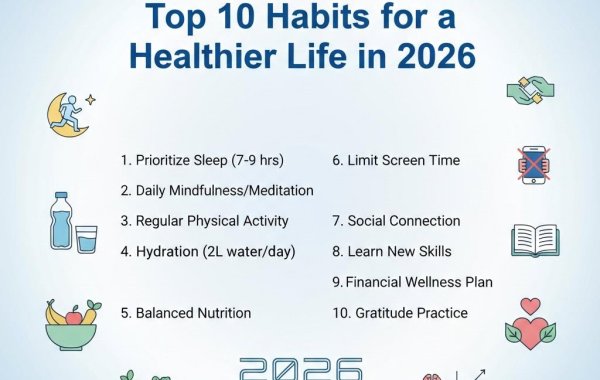
Good sleep hygiene is essential for achieving restful slumber. This includes maintaining a consistent sleep schedule and creating a comfortable sleep environment.
- Consistent Sleep Schedule: Go to bed and wake up at the same time every day, even on weekends.
- Comfortable Environment: Keep your bedroom cool, dark, and quiet. Invest in high-quality bedding.
- Limit Screen Time: Reduce blue light exposure from phones and computers at least an hour before bedtime.
3. Utilize Advanced Relaxation Techniques
As the understanding of mental health grows, so does the importance of relaxation techniques for better sleep. Techniques that incorporate mindfulness and relaxation can significantly enhance your ability to fall asleep.
- Meditation: Incorporating meditation into your evening routine can calm your mind and prepare you for sleep.
- Breathing Exercises: Simple breathing techniques can reduce stress and anxiety, making it easier to drift off.
- Progressive Muscle Relaxation: This technique helps to release physical tension, prompting your body to relax.
4. Diet and Nutrition for Sleep
Your diet plays a significant role in your sleep quality. As we look into 2026, focusing on nutrition can lead to better sleep outcomes.
- Avoid Heavy Meals: Eating large meals before bed can disrupt sleep. Aim to finish eating at least two to three hours before bedtime.
- Incorporate Sleep-Inducing Foods: Foods rich in magnesium, like nuts and seeds, and those high in tryptophan, like turkey and bananas, can aid in better sleep.
- Limit Caffeine and Alcohol: Both substances can interfere with your sleep cycle; try to limit their intake, especially in the hours leading up to bedtime.
5. Understand Your Sleep Needs
Every individual has unique sleep requirements. While the average adult needs about 7-9 hours of sleep, it’s essential to listen to your body and understand what works for you.
- Track Your Sleep: Use sleep tracking apps or devices to analyze your patterns and adjust accordingly.
- Pay Attention to Lifestyle: Factors such as age, stress levels, and physical activity can influence your sleep needs.
Conclusion
As we embrace 2026, the secrets to better sleep lie in the integration of technology, mindfulness, and nutrition. By adopting these strategies, you can improve not only your sleep quality but also your overall well-being. Remember, better sleep is not just a luxury; it’s essential for a healthier, happier life.