
The Hidden Dangers of a Common Daily Habit
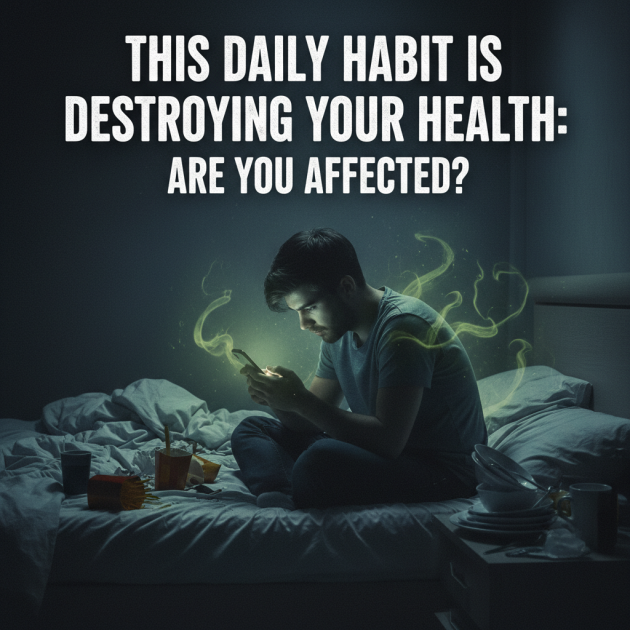
In our fast-paced modern lives, we often overlook the impact of our daily habits on our health. One such habit that many people engage in without a second thought is excessive screen time. From smartphones to computers, screens dominate our lives, and the consequences can be dire.
Understanding the Impact of Excessive Screen Time
Research indicates that adults spend an average of over 10 hours a day interacting with various screens. This habit can lead to a myriad of health issues, both physical and mental. Below are some of the most significant ways excessive screen time can harm your health:
- Eye Strain: Staring at screens for prolonged periods can cause digital eye strain, leading to discomfort, blurred vision, and headaches.
- Sleep Disruption: The blue light emitted by screens interferes with melatonin production, making it harder to fall asleep and stay asleep.
- Sedentary Lifestyle: Increased screen time often correlates with a sedentary lifestyle, which can lead to obesity, cardiovascular disease, and other health complications.
- Mental Health Issues: Studies have shown a link between excessive screen use and increased rates of anxiety, depression, and other mental health disorders.
Breaking the Cycle: How to Manage Your Screen Time
Recognizing the negative effects of excessive screen time is the first step toward improvement. Here are some actionable strategies to help you reduce your screen time and promote better health:
- Set Screen Time Limits: Use apps that track and limit your screen usage, helping you stay within a healthy range.
- Take Regular Breaks: Implement the 20-20-20 rule: every 20 minutes, look at something 20 feet away for at least 20 seconds to reduce eye strain.
- Engage in Physical Activities: Replace some screen time with physical activities like walking, jogging, or engaging in sports.
- Establish Tech-Free Zones: Designate certain areas of your home, like the dining room or bedroom, as tech-free zones to encourage family interaction and better sleep.
The Long-Term Benefits of Reducing Screen Time
By being mindful of your screen time and making conscious efforts to reduce it, you can experience numerous health benefits, including:
- Improved sleep quality and duration
- Reduced eye strain and discomfort
- Better mental health and mood stability
- Increased physical activity and overall fitness
Conclusion: Take Control of Your Health
While screens are an integral part of our daily lives, it’s crucial to be aware of how they affect our health. By taking steps to manage your screen time, you can protect your physical and mental well-being. Remember, it's not just about reducing screen time; it's about enhancing the quality of your life. Start today, and make a positive change for your health!