
Understanding the Rising Stress Levels in 2026
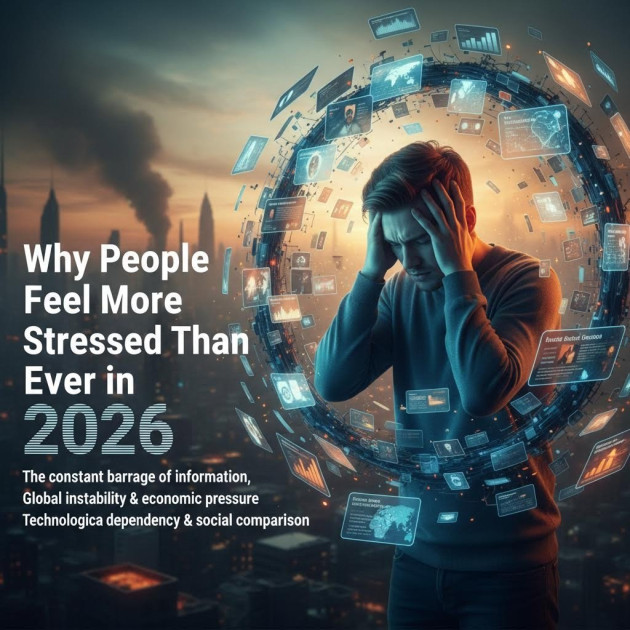
As we step further into 2026, many individuals report feeling more stressed than ever before. The combination of global events, technological advancements, and personal challenges has created a perfect storm for anxiety and stress. In this article, we will explore the primary reasons behind this phenomenon and offer practical tips to combat stress.
The Impact of Global Events
In recent years, the world has faced a series of significant challenges, from the lingering effects of the pandemic to geopolitical tensions. These events have left many feeling uncertain and anxious about the future. Here are some key global factors contributing to increased stress:
- Health Crises: The pandemic's aftereffects continue to influence mental health, with many experiencing post-traumatic stress.
- Economic Uncertainty: Rising inflation and job instability have created financial stress for countless families.
- Climate Change: The increasing frequency of natural disasters contributes to a sense of helplessness and worry.
Technological Overload
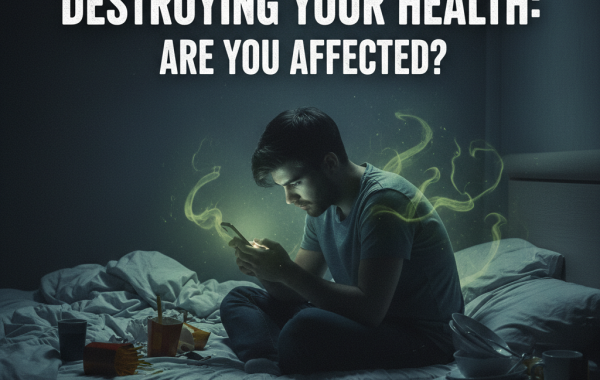
While technology has made our lives easier in many ways, it has also contributed to increased stress. The constant connectivity through smartphones and social media can be overwhelming. Consider these aspects of technological overload:
- Information Overload: With news and updates available 24/7, it's easy to feel inundated with information, leading to anxiety.
- Social Media Pressure: The curated lives of others can create unrealistic expectations and feelings of inadequacy.
- Work-Life Balance: Remote work has blurred the lines between personal and professional life, making it difficult to disconnect.
Personal Challenges and Mental Health
Beyond external factors, personal challenges can significantly affect stress levels. Here are some common issues many face:
- Relationship Strain: The pressure from personal relationships, whether familial or romantic, can lead to heightened stress.
- Workplace Demands: Increased workloads and expectations can create burnout and anxiety among employees.
- Mental Health Awareness: As more people acknowledge their mental health struggles, there is a greater conversation about stress, but this can also lead to a feeling of being overwhelmed.
How to Manage Stress in 2026
While the reasons for increased stress may seem overwhelming, there are effective strategies to manage anxiety:
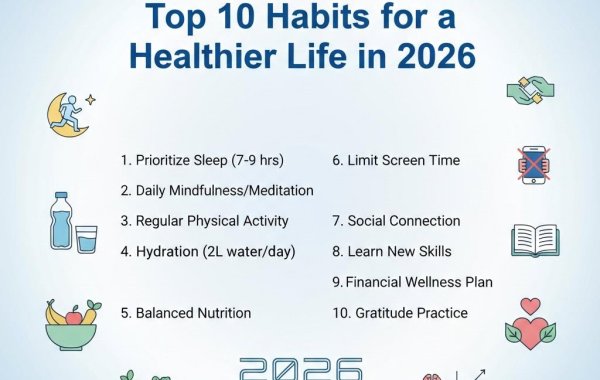
- Mindfulness and Meditation: Practicing mindfulness can help ground individuals and reduce feelings of anxiety.
- Physical Activity: Regular exercise is proven to reduce stress levels and improve overall mental health.
- Limit Screen Time: Reducing exposure to social media and news can help alleviate feelings of stress.
- Seek Support: Whether through friends, family, or professionals, talking about stress can provide relief.
Conclusion
The stress levels people are experiencing in 2026 are a reflection of both global and personal factors. By understanding the sources of this stress and implementing effective coping strategies, we can navigate these challenging times more effectively. Remember, it’s important to prioritize mental health and seek help when needed.