Introduction to Hybrid Learning in Higher Education
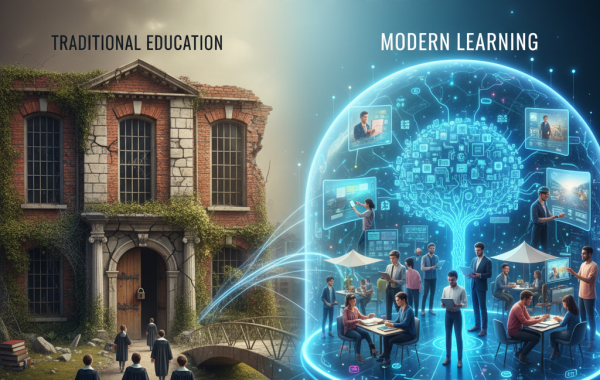
By 2026, the landscape of higher education in Europe has dramatically evolved, with many universities embracing hybrid learning models. This approach combines traditional in-person instruction with online learning, offering a flexible and adaptive educational experience for students.
Benefits for Students
Hybrid learning presents numerous advantages that cater to the diverse needs of today’s student population.
- Flexibility: Students can choose when and where to engage with course materials, allowing them to balance their studies with other commitments such as work or family.
- Access to Resources: Online platforms provide access to a wealth of resources, including recorded lectures, digital libraries, and interactive tools, enriching the learning experience.
- Personalized Learning: Hybrid models allow students to progress at their own pace, catering to different learning styles and enabling tailored educational experiences.
- Enhanced Collaboration: Virtual tools facilitate collaboration among peers and professors, fostering a sense of community even in remote settings.
Challenges for Institutions
While the benefits for students are significant, institutions face several challenges as they transition to hybrid models.
- Infrastructure Investment: Establishing robust technological infrastructure is essential for effective hybrid learning. This requires significant financial and logistical investment, which may be challenging for some institutions.
- Faculty Training: Educators must be adequately trained to deliver courses in a hybrid format. This involves developing new pedagogical skills and adapting teaching methods to engage students in both online and in-person settings.
- Quality Assurance: Maintaining academic standards across different learning modalities can be complex. Institutions must ensure that both online and in-person components are aligned and meet educational objectives.
- Student Engagement: Keeping students motivated and engaged in a hybrid environment can be difficult. Institutions must develop strategies to foster interaction and participation, ensuring that all students feel included.
Long-Term Implications for Higher Education
The adoption of hybrid learning models in European universities is likely to have far-reaching implications for the future of higher education.
- Global Reach: Hybrid learning allows institutions to attract students from around the world, broadening their reach and enhancing cultural diversity on campus.
- Increased Competition: As more universities adopt hybrid models, competition may intensify. Institutions will need to differentiate themselves through unique offerings and quality education.
- Evolution of Curriculum: The hybrid model encourages a shift in curriculum design, emphasizing skills that are relevant in a digital world, such as technology proficiency and digital communication.
- Resilience to Disruptions: The experience gained from implementing hybrid learning prepares universities for future disruptions, ensuring continuity in education during crises.
Conclusion
As we look ahead to 2026, the increasing adoption of hybrid learning models in European universities represents a transformative shift in higher education. While challenges remain for institutions, the benefits for students are undeniable. By embracing this model, universities can enhance accessibility, personalize learning, and prepare students for a rapidly changing world.