
Introduction to Europe's Renewable Energy Landscape
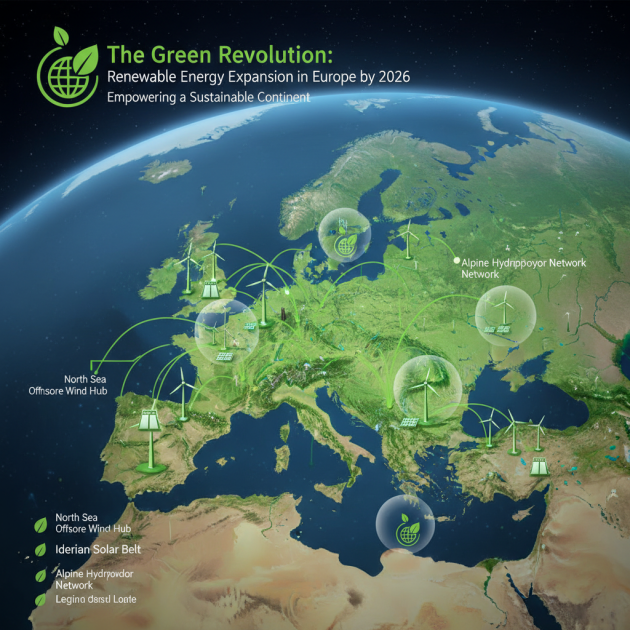
As we approach 2026, Europe stands on the cusp of a renewable energy revolution. With escalating climate concerns and a commitment to reduce carbon emissions, the continent is racing towards a greener future. Key players in this transition include solar, wind, and hydrogen energy, each playing a pivotal role in reshaping Europe’s energy landscape.
The Rise of Solar Energy
Solar energy has become one of the fastest-growing renewable energy sources in Europe. By 2026, solar installations are expected to see exponential growth, driven by technological advancements and decreasing costs.
Technological Advancements
Innovations in photovoltaic technology are enhancing energy conversion rates, making solar panels more efficient. Furthermore, the integration of smart grids and energy storage solutions is allowing for better management of solar energy, ensuring that excess power generated during sunny days can be stored and used when needed.
Government Initiatives and Incentives
European governments are implementing supportive policies and incentives to promote solar energy adoption. Subsidies, tax rebates, and feed-in tariffs are encouraging businesses and homeowners to invest in solar technology, leading to a significant increase in installations.
Wind Energy: Harnessing Nature’s Power
Wind energy is another cornerstone of Europe’s renewable energy strategy. With vast coastlines and favorable wind conditions, Europe is uniquely positioned to expand its wind energy capacity.
Offshore Wind Farms
By 2026, offshore wind farms are projected to contribute a substantial share of Europe’s energy mix. Countries like the UK, Germany, and Denmark are leading the charge, investing in large-scale offshore projects that harness powerful ocean winds. These farms not only generate clean energy but also create jobs and stimulate local economies.
Onshore Wind Development
Onshore wind energy is also witnessing significant growth. New technologies allow for taller turbines with larger blades, capturing more wind energy and increasing efficiency. The collaboration between governments and private sectors is essential for streamlining the permitting process and accelerating development.
The Hydrogen Economy: A Game Changer
Hydrogen energy is emerging as a crucial component of Europe’s energy transition. As a versatile energy carrier, hydrogen can be produced from renewable sources and used in various sectors, including transportation, industry, and heating.
Green Hydrogen Production
By 2026, green hydrogen—produced via electrolysis using renewable electricity—is expected to gain significant traction. Countries like Germany and the Netherlands are investing heavily in hydrogen infrastructure, aiming to create a robust market for this clean fuel.
Decarbonizing Industries
Hydrogen offers a pathway to decarbonize hard-to-abate industries such as steel and cement production. By replacing fossil fuels with hydrogen, these industries can significantly reduce their carbon footprint, aligning with Europe’s climate goals.
The Road Ahead: Challenges and Opportunities
While the expansion of renewable energy in Europe presents numerous opportunities, it also comes with challenges. The integration of diverse energy sources into existing grids, ensuring energy storage and management, and addressing public concerns about land use are some of the hurdles that need to be navigated.
Collaboration and Investment
Public and private sector collaboration will be key to overcoming these challenges. Increased investment in research, development, and infrastructure will support the transition to a renewable energy future.
Conclusion
As we look towards 2026, the expansion of solar, wind, and hydrogen energy in Europe is not just a vision; it is an imminent reality. With collective efforts and strategic investments, Europe is poised to lead the world in renewable energy, paving the way for a sustainable future.