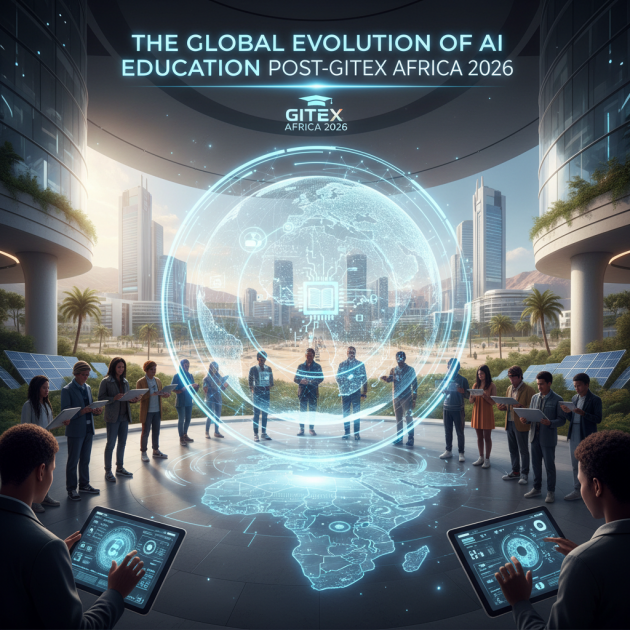

The Impact of GITEX Africa 2026 on AI Education
The GITEX Africa 2026 event marked a significant milestone in the realm of technology and education, especially in the field of artificial intelligence (AI). As the largest tech show in Africa, it brought together innovators, educators, and policymakers to discuss the future of AI. With the discussions and initiatives launched during this event, the landscape of AI education is rapidly evolving on a global scale.
Emerging Trends in AI Education
The conversations and collaborations initiated at GITEX Africa 2026 have led to several key trends in AI education:
- Integration of AI in Curricula: Educational institutions worldwide are increasingly incorporating AI into their curricula, focusing on both theoretical knowledge and practical applications.
- Global Collaboration: Partnerships between universities and tech companies are fostering cross-border educational initiatives, allowing students from different countries to collaborate on AI projects.
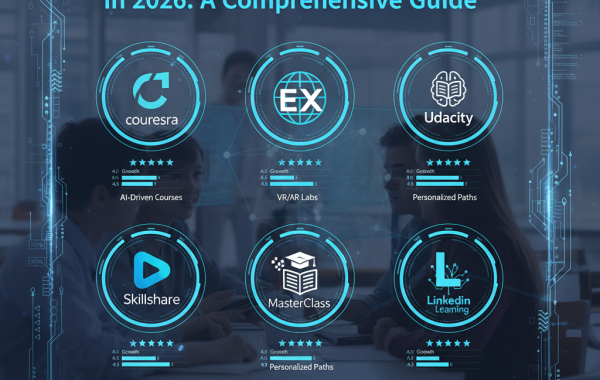
- Online Learning Platforms: The rise of online platforms offering AI courses has democratized access to education, enabling learners from various backgrounds to acquire AI skills.
- Focus on Ethics and Responsibility: There is a growing emphasis on teaching the ethical implications of AI, preparing students to navigate the complexities of AI in society.
Case Studies: Transformative Programs
Several programs have emerged globally, inspired by the trends set forth at GITEX Africa 2026:
- AI Bootcamps: Intensive bootcamps are being developed in various regions, targeting professionals looking to upskill quickly in AI technologies. These programs are often designed in collaboration with industry experts.
- Virtual AI Competitions: International competitions are now commonplace, encouraging students to solve real-world problems using AI. These events often emphasize teamwork and innovation.
- Scholarships and Grants: Many organizations are offering scholarships for underrepresented groups in tech, aiming to diversify the field of AI and ensure broader participation in education.
Challenges in AI Education
Despite the positive advancements, the global evolution of AI education faces several challenges:
- Access to Resources: Not all regions have the same access to technologies and educational resources, creating disparities in AI education.
- Keeping Up with Rapid Change: The fast-paced nature of AI development can make it difficult for educational programs to stay current with industry needs.
- Workforce Preparedness: There is a continuous need to align educational outcomes with workforce demands to ensure graduates are job-ready.
The Future of AI Education
Looking ahead, the future of AI education appears promising. The influence of events like GITEX Africa 2026 will continue to spur innovation and collaboration in educational practices:
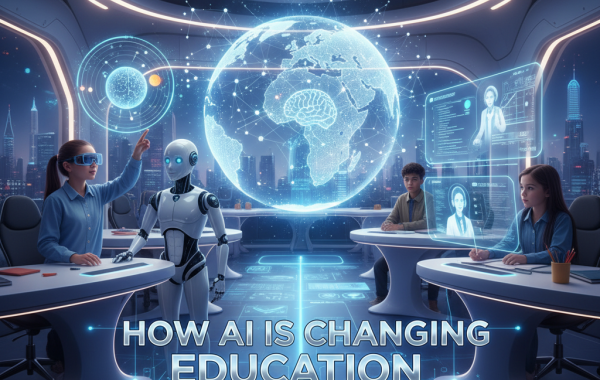
- Adaptive Learning Technologies: The use of AI itself in education to create personalized learning experiences is on the rise, enabling tailored content delivery based on individual student needs.
- Increased Industry Involvement: Companies are expected to play a larger role in education, contributing resources, expertise, and real-world problems for students to tackle.
- Global Learning Communities: As more institutions embrace virtual learning, global classrooms will become mainstream, allowing students to learn from each other across different cultures and perspectives.
Conclusion
The evolution of AI education following GITEX Africa 2026 is a testament to the collaborative spirit of the global community. As we move forward, embracing these changes will be essential for preparing the next generation of AI leaders and innovators.