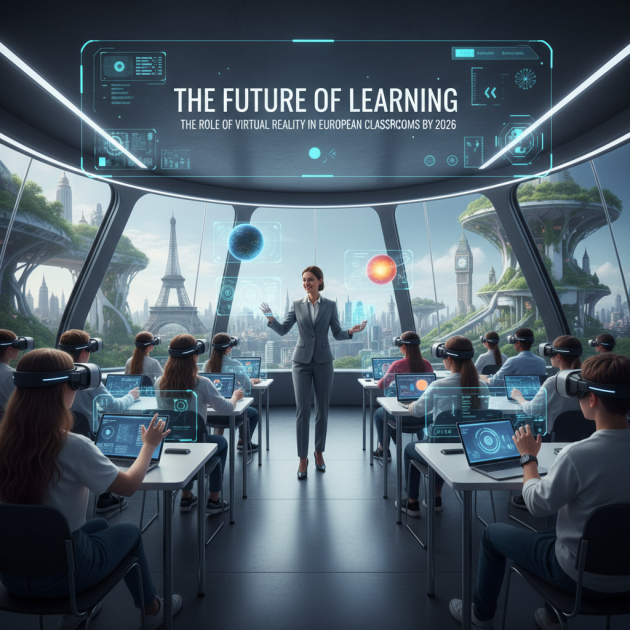

The Rise of Virtual Reality in Education
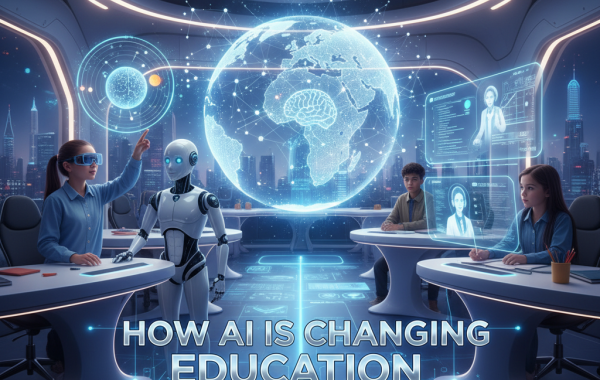
As we move deeper into the 21st century, technology continues to reshape the educational landscape. By 2026, virtual reality (VR) has emerged as a crucial tool in European classrooms, revolutionizing the way students learn and interact with their subjects.
Immersive Learning Experiences
One of the significant advantages of VR in education is its ability to create immersive learning experiences. Traditional teaching methods often struggle to engage students, particularly in subjects like science, history, and geography. VR addresses this issue by placing students in lifelike environments.
- Science: Students can explore the human body or the solar system in a 3D space, making complex concepts more understandable.
- History: VR allows students to walk through historical sites or events, providing a deeper connection to the material.
- Geography: Learners can visualize topography and climate changes through interactive simulations.
These immersive experiences not only captivate students' attention but also facilitate better retention of information, leading to improved academic outcomes.
Enhanced Engagement and Motivation
Engagement is a critical factor in learning. In 2026, many European educators are leveraging VR to foster a more stimulating classroom environment. The interactive nature of VR encourages participation and collaboration among students.
For instance, students can work together to solve problems in a virtual lab or collaborate on a project in a simulated environment. This active involvement boosts motivation and promotes a sense of ownership over their learning journey.
Personalized Learning Paths
Another benefit of VR in education is its ability to cater to diverse learning styles. By 2026, many classrooms are equipped with VR technology that allows for personalized learning experiences:
- Visual Learners: Benefit from 3D visualizations that enhance their understanding.
- Auditory Learners: Engage with interactive audio elements that explain concepts.
- Kinesthetic Learners: Get hands-on experience through simulations that require physical interaction.
This tailored approach helps educators meet the unique needs of each student, ensuring that everyone can progress at their own pace.
Bridging the Gap in Remote Learning
As we saw during the pandemic, remote learning posed significant challenges. However, by 2026, VR has become a powerful tool to bridge the gap between in-person and remote education. Students who are unable to attend classes physically can still experience immersive learning through VR platforms.
Educators can host virtual classrooms where students participate in real-time, interact with peers, and engage in hands-on activities, regardless of their location. This innovation ensures that all students have access to quality education, promoting inclusivity and equal opportunities.
Challenges and Considerations
Despite its numerous benefits, the integration of VR into European classrooms is not without challenges. Schools must consider the following:
- Cost: The initial investment in VR technology and training can be significant, particularly for underfunded schools.
- Training: Teachers need adequate training to effectively incorporate VR into their lesson plans.
- Content: High-quality educational content must be developed to ensure that VR experiences are meaningful and aligned with curricula.
Addressing these challenges will be crucial to maximizing the potential of VR in education.
Conclusion
In conclusion, virtual reality is set to play a pivotal role in European classrooms by 2026, enhancing student engagement and improving educational outcomes. As technology continues to evolve, it is essential for educators, institutions, and policymakers to embrace these innovations, ensuring that every student has the opportunity to thrive in an increasingly digital world.