The Alarming Acceleration of Climate Change
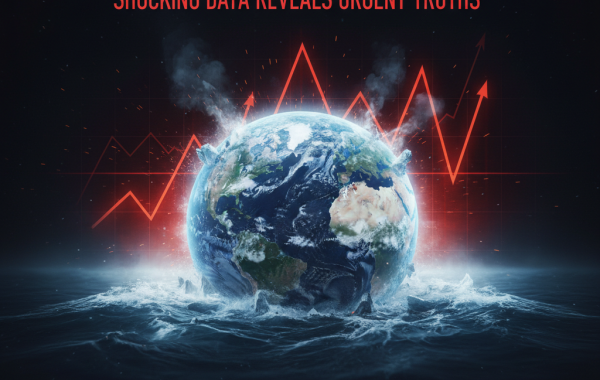
In recent years, the effects of climate change have become increasingly apparent. From devastating wildfires to unprecedented flooding, the climate is changing at a pace that is faster than scientists initially expected. This article delves into the reasons behind this rapid change and its implications for our planet.
Why is Climate Change Accelerating?
The acceleration of climate change can be attributed to a combination of factors, including:
- Greenhouse Gas Emissions: Human activities, particularly the burning of fossil fuels, have led to a significant increase in greenhouse gases in the atmosphere.
- Feedback Loops: Melting ice caps expose darker ocean waters, which absorb more heat and further exacerbate warming.
- Deforestation: The loss of forests reduces the planet’s ability to absorb CO2, leading to higher concentrations of greenhouse gases.
The Impact on Natural Disasters
One of the most visible effects of climate change is the increase in natural disasters. According to recent studies:
- Hurricanes are becoming more intense due to warmer ocean temperatures.
- Wildfires are occurring more frequently and with greater intensity, particularly in regions like California and Australia.
- Flooding and droughts are becoming more common, affecting agriculture and water supply.
Effects on Biodiversity
The rapid changes in climate are not just impacting human life. Ecosystems around the world are struggling to adapt:
- Species are facing extinction as their habitats change or disappear.
- Coral reefs, which are vital to marine biodiversity, are experiencing bleaching events due to warmer waters.
- Migration patterns of birds and other wildlife are shifting, causing disruptions in food chains.
What Can Be Done?
While the situation may seem dire, there are actions we can take to mitigate the effects of climate change:
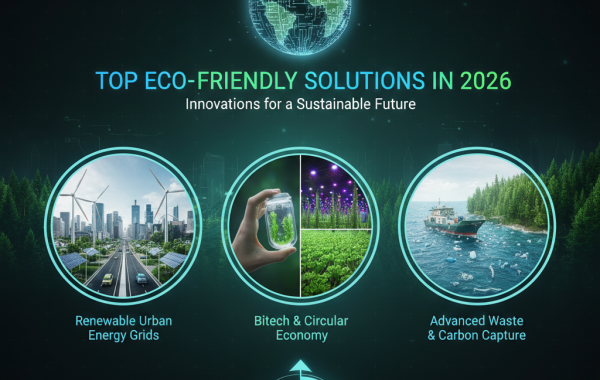
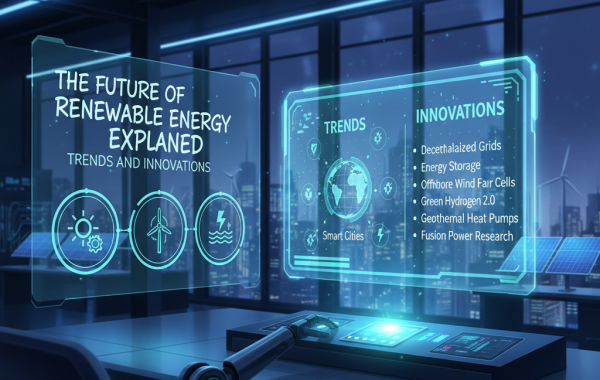
- Reduce Emissions: Transitioning to renewable energy sources like solar and wind can drastically cut greenhouse gas emissions.
- Support Sustainable Practices: Advocating for sustainable agriculture and forestry practices can help preserve ecosystems.
- Engage in Conservation: Protecting natural habitats and supporting conservation efforts can aid in biodiversity preservation.
- Educate Others: Raising awareness and educating others about climate change can foster a collective effort to combat its effects.
The Role of Policy and Innovation
Governments and organizations play a crucial role in addressing climate change. Policies that promote sustainability, invest in green technology, and enforce stricter emissions regulations are essential. Innovations in science and technology can also lead to breakthroughs in carbon capture and renewable energy, paving the way for a more sustainable future.
The Importance of Individual Action
While systemic change is crucial, individual actions also matter. Simple steps such as reducing waste, conserving energy, and choosing environmentally friendly products can collectively make a significant impact. Every small effort contributes to a larger movement toward sustainability.
Conclusion
The climate is indeed changing faster than expected, and the consequences are profound. However, by understanding the causes and effects, and taking action both individually and collectively, we can work towards a more sustainable future. It’s time to make our voices heard and take tangible steps to protect our planet.