
The Renewable Energy Landscape in Europe by 2026
In the face of climate change, Europe is set to undergo a significant transformation in its energy landscape by 2026. The reliance on fossil fuels is diminishing, paving the way for an ambitious shift towards renewable energy sources, particularly solar and wind power. This transition is crucial for achieving the European Union's climate goals and fostering a sustainable future.
Solar Energy Expansion: Harnessing the Sun
Solar energy has emerged as one of the fastest-growing renewable energy sources across Europe. By 2026, advancements in photovoltaic technology, along with decreasing costs, will allow countries to harness solar power more efficiently than ever before.
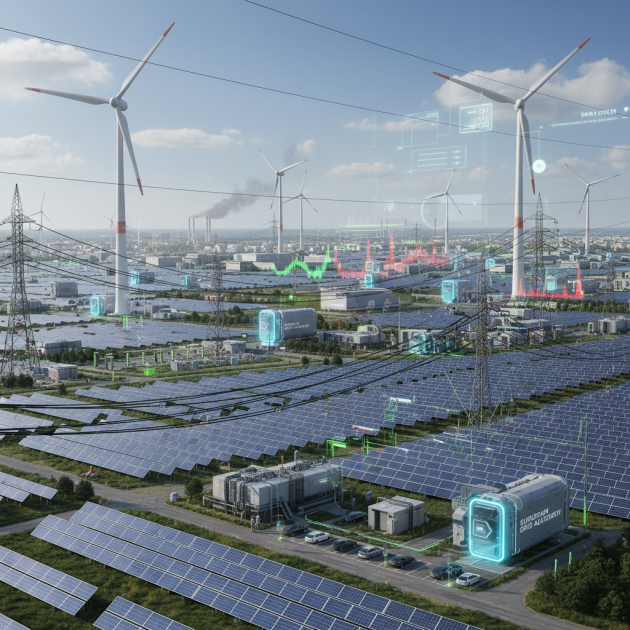
- Increased Solar Capacity: Many European nations are investing heavily in solar farms and residential solar installations. Countries like Germany, Spain, and Italy are leading the charge, with ambitious targets to double their solar capacity by 2026.
- Innovative Solar Solutions: The integration of solar panels into building designs and the rise of solar tiles are revolutionizing how solar energy is generated. This not only contributes to energy self-sufficiency but also enhances aesthetic appeal.
Wind Power: Harnessing the Power of Air
Wind energy has long been a cornerstone of Europe’s renewable energy strategy. By 2026, wind power is expected to account for a significant portion of the energy mix, with both onshore and offshore wind farms expanding rapidly.
- Offshore Wind Farms: The North Sea is becoming a focal point for offshore wind energy projects. Countries like the UK and Denmark are investing in massive wind farms that can generate power for millions of homes.
- Technological Advancements: Upgraded turbine technology is enabling wind farms to become more efficient, with larger turbines capable of generating more energy while reducing costs.
Challenges Ahead: Grid Infrastructure and Integration
While the growth of solar and wind energy in Europe is promising, it does not come without challenges. One of the most pressing issues is the need for robust grid infrastructure to support the increased generation of renewable energy.
- Grid Modernization: Many existing power grids are outdated and unable to handle the fluctuating nature of renewable energy sources. Upgrading these grids will be essential for effective energy distribution and reliability.
- Energy Storage Solutions: The intermittent nature of solar and wind energy necessitates the development of advanced energy storage systems. Technologies such as battery storage and pumped hydro storage will play a critical role in balancing supply and demand.
- Regulatory Challenges: Navigating the regulatory landscape can slow down the implementation of new infrastructure projects. Streamlining processes and fostering collaboration between governments and private sectors is vital.
Conclusion: A Renewable Future Awaits
The transition to renewable energy in Europe by 2026 marks a pivotal moment in the fight against climate change. With ambitious solar and wind energy initiatives, Europe is on the brink of a sustainable energy revolution. However, overcoming grid infrastructure challenges will be critical in ensuring the success of this transition. As innovation and investment continue to flourish, the dream of a cleaner, greener Europe is becoming a reality.