Introduction
This summer, the United States has been gripped by record heatwaves, shattering temperature records across various states. As we navigate these extreme weather conditions, it’s important to reflect on what this means for the future, particularly for the summer of 2026. In this article, we will explore the causes, effects, and potential long-term implications of these heatwaves.
Understanding Heatwaves
A heatwave is defined as a prolonged period of excessively hot weather, which may be accompanied by high humidity. The National Weather Service (NWS) classifies a heatwave based on local climate norms; if temperatures exceed these norms for a specific duration, a heatwave is declared.
Causes of Record Heatwaves
- Climate Change: The primary driver of increased heatwave frequency and intensity is climate change, caused by human activities such as burning fossil fuels and deforestation.
- Urbanization: Cities often experience higher temperatures due to the urban heat island effect, where concrete and asphalt absorb and retain heat.
- Natural Variability: Natural climate patterns, such as El Niño and La Niña, can also contribute to annual temperature fluctuations.
The Impact of Heatwaves
Record heatwaves have far-reaching consequences that extend beyond discomfort. Here are some of the key impacts:
Health Risks
Extreme heat poses significant health risks, including:
- Heat exhaustion and heatstroke
- Worsening chronic illnesses
- Increased mortality rates, especially among vulnerable populations
Environmental Consequences
Heatwaves can lead to:
- Drought conditions affecting agriculture and water supply
- Increased wildfires due to dry conditions
- Disruption of ecosystems and loss of biodiversity
Economic Impacts
As temperatures rise, the economy may face challenges such as:
- Increased energy demand for cooling
- Declines in agricultural productivity
- Higher healthcare costs due to heat-related illnesses
What to Expect for Summer 2026
As we look ahead to summer 2026, several factors suggest that heatwaves may become more common and severe:
Continued Climate Trends
With ongoing climate change, scientists predict that summers will become hotter. According to the National Oceanic and Atmospheric Administration (NOAA), average temperatures are expected to rise, potentially resulting in more frequent and intense heatwaves.
Preparedness and Adaptation
Communities will need to adapt to these changes. This may involve:
- Improving infrastructure to withstand extreme heat, such as green roofs and reflective materials
- Enhancing public health systems to address heat-related illnesses
- Implementing water conservation measures to combat drought
Technological Innovations
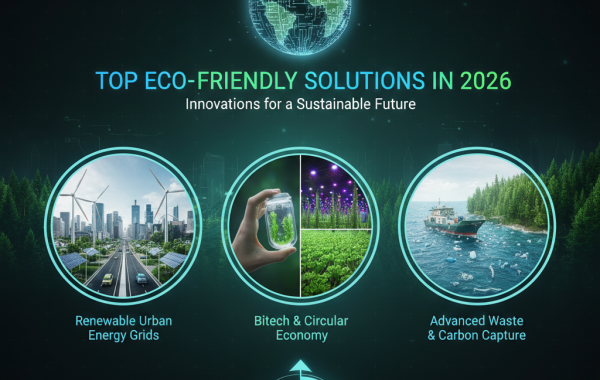
Advancements in technology can also play a role in mitigating heatwaves. Innovations such as smart grids can help manage energy consumption during peak heat periods, while improved agricultural practices can enhance drought resistance.
Conclusion
The record heatwaves currently affecting the US serve as a stark reminder of the challenges posed by climate change. As we approach summer 2026, understanding these impacts and preparing for the future is essential for safeguarding public health, the environment, and the economy. By taking proactive measures now, we can work towards a more resilient future.