The Promise of AI Tutoring Platforms
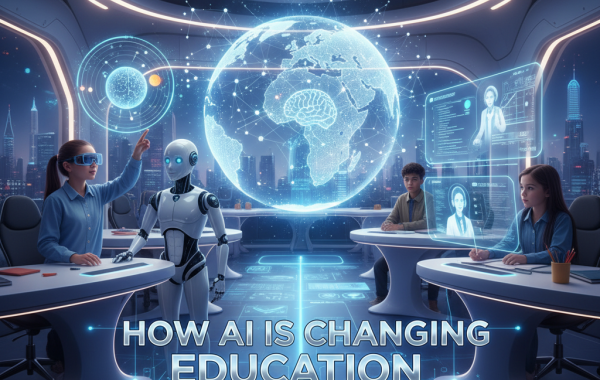
In 2026, Europe is set to witness a significant transformation in its educational landscape, spearheaded by countries like Finland, Estonia, and the Netherlands. The integration of AI tutoring platforms into schools promises to revolutionize learning, offering personalized experiences that cater to the unique needs of each student.
One of the most compelling advantages of AI in education is the ability to tailor learning experiences. By analyzing data on student performance, these platforms can adapt lessons in real-time, ensuring that each learner progresses at their own pace. This personalized approach has the potential to address learning gaps and enhance student engagement, leading to improved educational outcomes.
Concerns of Educators and Privacy Advocates
However, the rollout of AI tutoring platforms is not without its challenges. Many educators are voicing concerns about the reliance on technology in the classroom. Teachers worry that AI systems could undermine their authority and diminish the vital human interaction that is essential for effective learning.
Privacy advocates are also raising red flags, emphasizing the need for stringent data protection measures. The implementation of AI systems involves the collection and analysis of vast amounts of student data, which raises questions about who has access to this information and how it is used. Safeguarding student privacy must be a priority as educational institutions embrace these new technologies.
The Risk of Algorithmic Bias
Another critical issue is the risk of algorithmic bias in student assessments. AI systems are only as good as the data they are trained on, and if this data reflects societal biases, it can lead to unfair outcomes. For instance, students from marginalized backgrounds may be disproportionately affected by biased algorithms, potentially reinforcing existing inequalities rather than alleviating them.
Educators and developers must work collaboratively to identify and mitigate these biases during the design and implementation of AI platforms. Ongoing monitoring and evaluation of AI systems will be essential to ensure they operate fairly and equitably.
Quality and Equity in AI-Driven Education
The promise of AI-driven education is enticing, but it raises critical questions about quality and equity. While personalized learning can enhance educational experiences, there is a risk that access to these technologies may be uneven across different socioeconomic groups. Schools in affluent areas may have the resources to implement advanced AI systems, while those in less privileged regions may struggle to keep up.
To achieve quality and equity in AI-driven education, policymakers must ensure that all schools have access to the necessary resources and training. This includes investing in infrastructure, providing ongoing professional development for educators, and establishing partnerships with technology providers to facilitate equitable access to AI tools.
Conclusion: A Balanced Approach to AI in Education
The rollout of AI tutoring platforms in European schools presents a unique opportunity to enhance personalized learning, but it requires a balanced approach that addresses concerns raised by educators, privacy advocates, and the risk of algorithmic bias. By prioritizing collaboration between stakeholders and ensuring equitable access to technology, we can harness the potential of AI to improve education for all students.
As we move forward, it will be crucial to foster an environment where technology complements traditional teaching methods rather than replaces them. With careful planning and consideration, AI can indeed be a valuable tool in creating a more inclusive and effective educational system across Europe.