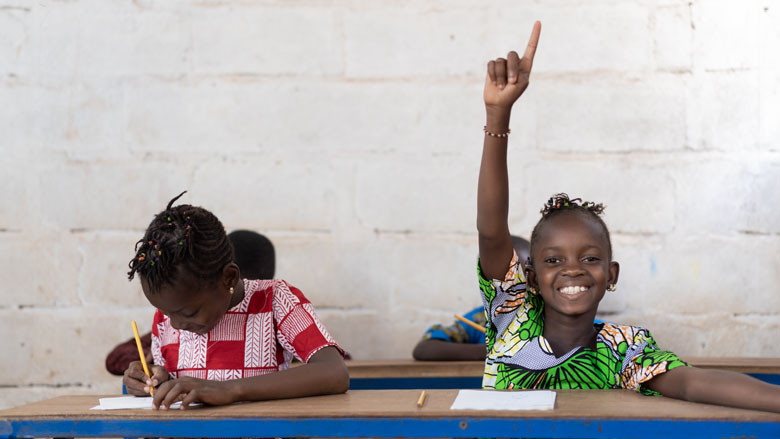

The Current State of Education in Africa
Africa is home to a diverse array of cultures and languages, and its education systems reflect this diversity. However, the continent faces numerous challenges that hinder educational advancement. From inadequate infrastructure to socio-economic barriers, understanding these issues is crucial for developing effective strategies.
Challenges Facing African Education
- Access to Education: Many children in rural areas lack access to basic education due to geographic isolation and insufficient school facilities.
- Quality of Education: The quality of education varies significantly, with many schools lacking trained teachers, proper resources, and a conducive learning environment.
- Economic Barriers: Poverty remains a significant barrier, as families often prioritize survival over education, leading to high dropout rates.
- Gender Inequality: Cultural norms often restrict educational opportunities for girls, resulting in lower enrollment and completion rates.
- Political Instability: Conflict and political unrest can disrupt educational systems, displacing students and educators alike.
Strategic Approaches to Improve Education
To address these challenges, African nations are adopting various strategies aimed at improving educational access and quality.
1. Government Initiatives
Many governments are implementing policies that prioritize education in their national agendas. This includes increasing budget allocations for education, promoting universal primary education, and launching campaigns to raise awareness about the importance of education.
2. Community Involvement
Engaging local communities is essential for the success of educational initiatives. Local leaders can help mobilize resources, promote education, and ensure that schools are culturally relevant and responsive to community needs.
3. International Partnerships
Collaboration with international organizations such as UNESCO and UNICEF can provide much-needed support in terms of funding, resources, and expertise. These partnerships often focus on improving teacher training and developing curricula that meet global standards.
4. Technology Integration
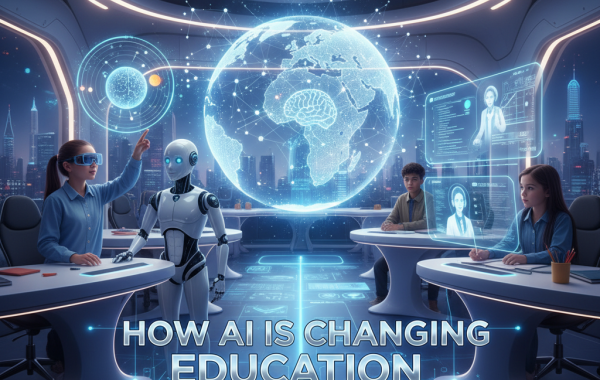
Incorporating technology into education can enhance learning experiences. E-learning platforms and digital resources can make education more accessible, particularly in remote areas where traditional schooling is challenging.
5. Focus on Girls' Education
Empowering girls through education is vital for overall development. Programs aimed at reducing gender disparities in education can lead to improved economic outcomes and social change.
Success Stories and Case Studies
Several countries in Africa have made significant strides in improving their education systems. For example:
- Rwanda: Following the genocide, Rwanda prioritized education by investing in teacher training and infrastructure, resulting in increased enrollment rates.
- Kenyas: The introduction of free primary education led to a surge in enrollment, though challenges in quality remain.
- Ghana: The country has made notable progress in gender parity in education, with initiatives specifically targeting girls' enrollment.
Conclusion
The journey toward improved education in Africa is fraught with challenges, but with strategic planning, community involvement, and international cooperation, there is hope for a brighter future. By addressing these issues head-on, African nations can pave the way for a more educated and empowered generation.