
The Mental Health Crisis of 2026: An Overview
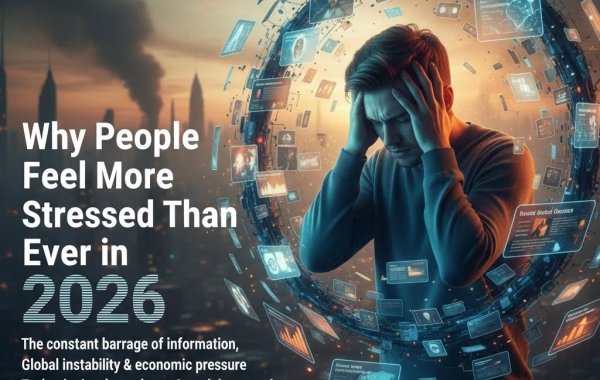
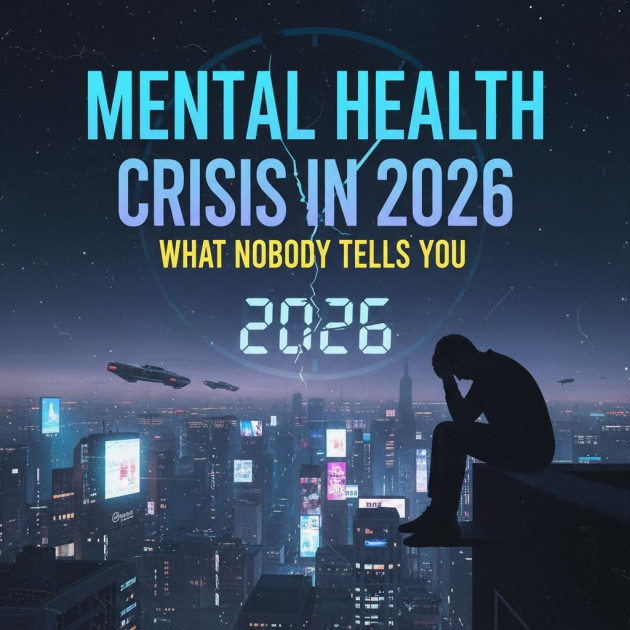
As we move deeper into the 21st century, the conversation around mental health has become increasingly prominent. However, as we approach the year 2026, it is crucial to address the impending mental health crisis that many are unaware of. This article delves into the factors contributing to this crisis, the signs to watch for, and the proactive measures we can take to combat it.
Understanding the Causes
The potential mental health crisis of 2026 can be attributed to various interrelated factors:
- Post-Pandemic Stress: The COVID-19 pandemic has left lasting psychological scars. Many individuals are grappling with anxiety, depression, and other mental health issues exacerbated by isolation and loss.
- Economic Uncertainty: As we face economic fluctuations, job insecurity and financial stress are likely to increase, leading to higher rates of mental health disorders.
- Social Media Influence: The rise of social media continues to impact mental well-being negatively, contributing to feelings of inadequacy, loneliness, and anxiety.
- Lack of Resources: Despite increased awareness, mental health services remain underfunded and inaccessible for many, exacerbating the crisis.
Signs of Mental Health Decline
Recognizing the signs of mental health decline is crucial for timely intervention. Here are some indicators to watch for:
- Increased Anxiety: Persistent feelings of worry or panic can be a sign of underlying mental health issues.
- Withdrawal from Social Interactions: If someone you know is isolating themselves or avoiding social activities they once enjoyed, it may be a cause for concern.
- Changes in Sleep Patterns: Insomnia or oversleeping are common indicators of mental distress.
- Substance Abuse: Increased reliance on alcohol or drugs as coping mechanisms can signal deeper issues.
Preventive Measures to Combat the Crisis
While the future may appear daunting, there are steps we can take to mitigate the mental health crisis:
1. Promote Open Conversations
Encouraging open discussions around mental health can help reduce stigma and promote understanding. Creating safe spaces for dialogue can empower individuals to seek help without fear of judgment.
2. Invest in Mental Health Resources
Advocating for increased funding for mental health services is essential. More accessible therapy, counseling, and support networks can make a significant difference.
3. Encourage Healthy Coping Mechanisms
Encouraging activities such as exercise, meditation, and mindfulness can help individuals develop healthier coping strategies for stress and anxiety.
4. Utilize Technology Wisely
While social media can have adverse effects, it can also be a tool for good. Online support groups and mental health apps can provide valuable resources and connections.
5. Prioritize Self-Care
Individuals should be encouraged to prioritize self-care. Simple activities such as reading, walking, or spending time with loved ones can significantly enhance mental well-being.
Conclusion: Taking Action Now
The mental health crisis looming in 2026 is not an insurmountable challenge. By recognizing the signs, understanding the causes, and implementing preventive measures, we can take control of our mental health. It is time to foster a culture where mental well-being is prioritized, and everyone feels empowered to seek help. Let us not wait until 2026 to address this pressing issue; the time to act is now.