
The Growing Mental Health Crisis
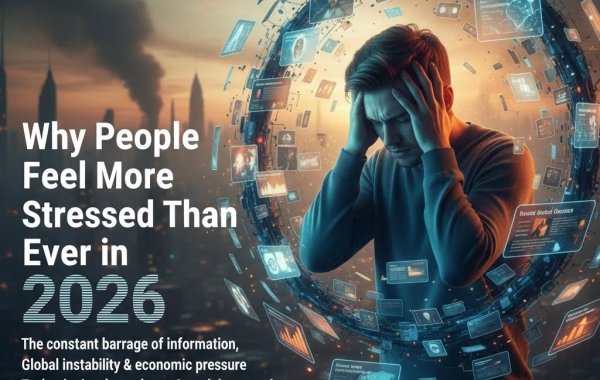
As we navigate through 2026, the world is facing an unprecedented mental health crisis. Mental health issues have surged globally, affecting millions across all demographics. This crisis is not merely a consequence of individual circumstances but a complex interplay of societal factors, economic challenges, and evolving lifestyles.
Understanding the Factors Behind the Crisis
Several key factors have contributed to the escalating mental health crisis:
- Post-Pandemic Effects: The COVID-19 pandemic has left a lasting mark on mental health. Many individuals are struggling with anxiety, depression, and PTSD as a result of prolonged isolation, loss, and uncertainty.
- Economic Instability: Economic fluctuations and the rising cost of living have exacerbated stress levels. Job insecurity and financial strain can lead to a decline in mental well-being.
- Social Media Influence: The constant connectivity provided by social media has a dual effect. While it can foster community, it often leads to comparison, cyberbullying, and unrealistic expectations, impacting self-esteem.
- Increased Awareness: There is a growing recognition of mental health issues, leading more individuals to seek help. However, the demand for services often outstrips supply, creating a backlog in treatment availability.
Demographics Affected
The mental health crisis in 2026 is not uniform; it affects various demographics in different ways:
Young Adults and Adolescents
Young people are particularly vulnerable, with rising rates of anxiety and depression reported among teenagers and young adults. The pressures of academic performance, social acceptance, and future job prospects contribute significantly to their mental health struggles.
Workers in High-Stress Environments
Professionals in high-pressure jobs, especially in healthcare, finance, and technology, are feeling the strain. Burnout is becoming a common narrative as workers face increased demands with limited resources.
Marginalized Communities
Marginalized and underrepresented communities are disproportionately affected. Factors such as discrimination, economic disadvantage, and lack of access to mental health care contribute to higher rates of mental illness in these groups.
Addressing the Crisis
It is crucial to address the mental health crisis through a multi-faceted approach:
- Increased Funding for Mental Health Services: Governments and organizations need to allocate more resources to mental health programs, ensuring that services are accessible and equitable.
- Workplace Mental Health Initiatives: Employers should implement mental health programs that promote well-being, provide counseling services, and foster a supportive work environment.
- Education and Awareness Campaigns: Raising awareness about mental health can reduce stigma and encourage individuals to seek help without fear of judgment.
- Community Support Systems: Strengthening community networks can provide individuals with the necessary support, fostering a sense of belonging and understanding.
Looking Ahead
The mental health crisis in 2026 is a wake-up call for society. It highlights the urgent need for comprehensive strategies to support mental well-being. By coming together as a community and prioritizing mental health, we can create a more resilient future for everyone. Let us not wait for the crisis to worsen; action must be taken now to ensure that mental health is treated with the importance it deserves.