
AI Transformations in Education: A European Perspective
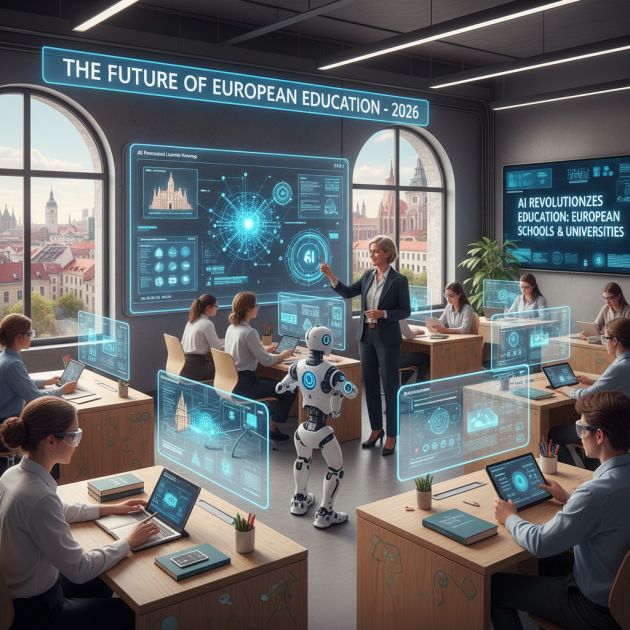
As we step into 2026, artificial intelligence (AI) has become a transformative force in the educational landscape of Europe. Schools and universities are increasingly integrating AI technologies into their systems, revolutionizing how students learn and how educators teach. This article explores the benefits and challenges of this technological evolution in European education.
The Benefits of AI in Education
AI's impact on education is profound, offering numerous benefits that enhance both teaching and learning experiences:
- Personalized Learning: AI systems analyze student performance data to tailor educational content to individual needs. This personalization helps students learn at their own pace, significantly improving engagement and understanding.
- Administrative Efficiency: AI automates administrative tasks such as grading, scheduling, and resource allocation. This reduces the workload on teachers, allowing them to focus more on instruction and student interaction.
- Enhanced Accessibility: AI tools provide support for students with disabilities by offering speech-to-text services, language translation, and customized learning materials, ensuring inclusivity in education.
- Data-Driven Insights: AI analytics deliver insights into student performance and learning patterns, helping educators identify at-risk students and implement timely interventions.
- Augmented Reality and Virtual Learning: AI-powered virtual environments and simulations enrich the learning experience, making complex subjects more accessible and engaging for students.
Challenges Facing AI Integration in Education
While the advantages of AI are significant, several challenges accompany its integration into schools and universities:
- Equity and Access: Not all students have equal access to the technology required for AI-driven learning. Disparities in resources can widen the educational gap between wealthy and underprivileged communities.
- Data Privacy Concerns: The use of AI in education raises questions about data privacy and security. Institutions must ensure that student data is protected and used ethically.
- Teacher Training: Educators need adequate training to effectively implement AI tools in their teaching. Without proper guidance, the potential of AI can remain untapped, and the technology may not be used to its fullest advantage.
- Resistance to Change: Some educators and institutions may resist adopting AI technologies due to a lack of understanding or fear of job displacement. Addressing these concerns is vital for a smooth transition.
- Quality of AI Content: The effectiveness of AI tools depends on the quality of the educational content they deliver. Ensuring that AI-generated content is accurate and pedagogically sound is crucial.
Case Studies: AI in Action
Across Europe, various schools and universities are leading the way in AI integration:
- The University of Amsterdam: This institution has implemented an AI-driven platform that personalizes learning experiences for its students, resulting in improved academic performance.
- London’s Secondary Schools: Several secondary schools in London have adopted AI tools to assist teachers in grading and providing feedback, allowing for more personalized support for students.
- Barcelona’s Inclusive Education Initiative: Utilizing AI, Barcelona’s education system has developed resources that cater specifically to students with learning disabilities, fostering an inclusive environment.
The Future of Education in Europe
As we look to the future, the role of AI in education will likely continue to expand. With ongoing advancements in technology, European schools and universities are positioned to become models of innovative education. However, addressing the challenges associated with AI integration will be critical to ensuring that all students benefit from this educational revolution.
In conclusion, while AI presents exciting opportunities for enhancing education in Europe, it also requires careful consideration of equity, ethics, and the ongoing support of educators. As we embrace these changes, the goal remains clear: to create a more effective, inclusive, and engaging learning environment for all.