
Mental Health Trends in Europe 2026
The landscape of mental health care in Europe is rapidly evolving. With the ongoing impact of the pandemic, the focus on mental well-being has intensified, leading to the emergence of new trends and solutions. In 2026, we see a notable shift towards digital therapies and proactive government initiatives aimed at enhancing mental health across the continent.
The Rise of Digital Therapies
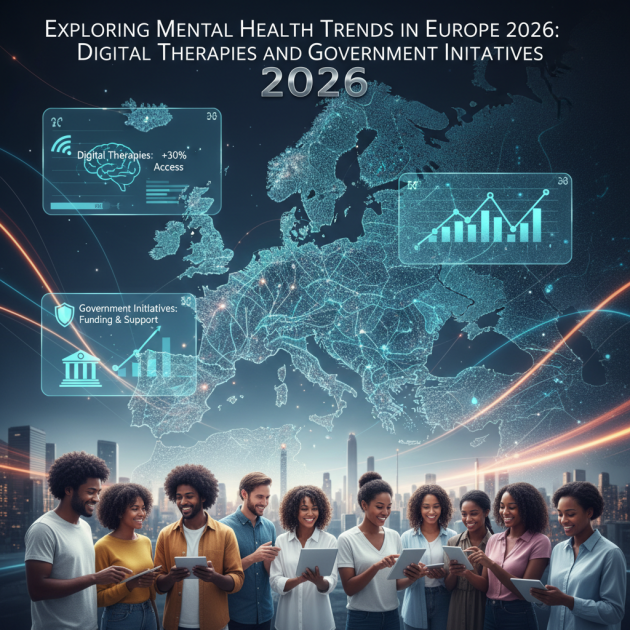
One of the most significant trends in 2026 is the proliferation of digital therapies. These innovative solutions leverage technology to provide accessible mental health care. Here are some key highlights:
- Teletherapy: Remote counseling and therapy sessions have become the norm, allowing individuals to access support from the comfort of their homes.
- Mobile Apps: Mental health apps, offering mindfulness exercises, mood tracking, and cognitive behavioral therapy (CBT) techniques, have gained immense popularity.
- AI-Powered Chatbots: Artificial intelligence is being utilized to create chatbots that provide immediate support and resources for those in need.
Government Initiatives Improving Mental Health Care
European governments have recognized the importance of addressing mental health issues and are implementing various initiatives to foster well-being:
- Increased Funding: Many countries have increased funding for mental health services, ensuring that resources are available for both traditional and digital therapy options.
- Awareness Campaigns: Governments are launching campaigns to raise awareness about mental health, aiming to reduce stigma and encourage individuals to seek help.
- Integration with Primary Care: Mental health services are increasingly being integrated with primary healthcare systems, making it easier for individuals to access support.
Trends in Mental Health Awareness
As mental health awareness grows, individuals are becoming more proactive about their mental well-being. Key trends include:
- Self-Care Practices: There is a surge in the adoption of self-care practices, including meditation, yoga, and journaling.
- Workplace Mental Health Programs: Companies are investing in mental health programs, promoting a culture of well-being among employees.
- Community Support Groups: Peer support groups are gaining traction, providing individuals with safe spaces to share their experiences and connect with others.
The Future of Mental Health in Europe
Looking ahead, the future of mental health in Europe appears promising. The combination of digital therapies and government initiatives is paving the way for a more inclusive and effective mental health care system. As technology continues to advance, we can expect even more innovative solutions to emerge, making mental health care more accessible and personalized.
Conclusion
In conclusion, the mental health landscape in Europe in 2026 is marked by significant advancements in digital therapies and supportive government initiatives. As society embraces these changes, it is crucial to continue advocating for mental health awareness and the importance of seeking help. Together, we can create a healthier future for mental well-being across Europe.