
Introduction
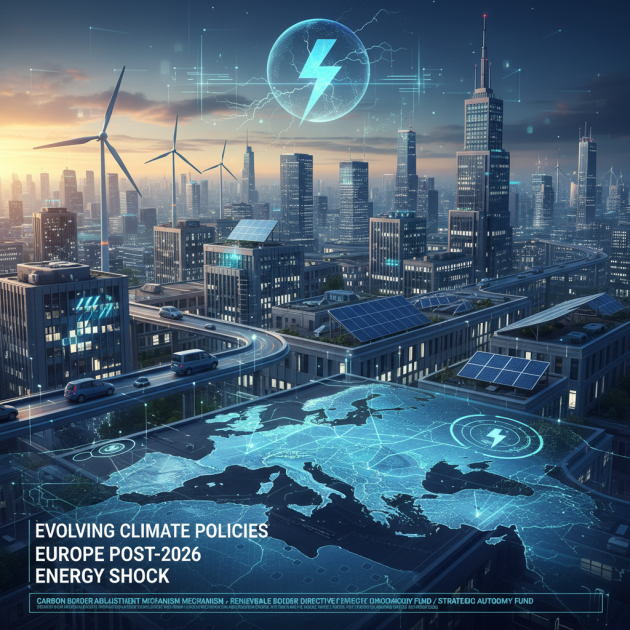
The energy shock of 2026 brought unprecedented challenges to Europe, forcing nations to reevaluate their climate policies. As the continent strives to balance energy security and environmental sustainability, the evolution of these policies will play a crucial role in shaping Europe's future.
The Impact of the 2026 Energy Shock
In 2026, Europe faced a significant energy crisis due to a combination of geopolitical tensions, supply chain disruptions, and increased demand for energy. This shock exposed the vulnerabilities of reliance on external energy sources and highlighted the urgent need for a transition to more resilient and sustainable energy systems.
Key Challenges Identified
- Energy Dependence: Many European countries found themselves overly reliant on imports for fossil fuels.
- Infrastructure Strain: Existing energy infrastructure struggled to cope with demand spikes.
- Climate Goals at Risk: The immediate need for energy security threatened long-term climate commitments.
Policy Responses to the Energy Shock
In response to these challenges, European nations have begun to implement a series of robust climate policies aimed at enhancing energy independence while also meeting climate targets.
Accelerating Renewable Energy Adoption
One of the most significant shifts post-2026 has been the accelerated transition to renewable energy sources. Governments are investing heavily in solar, wind, and hydroelectric projects to reduce dependence on fossil fuels. Initiatives include:
- Increased funding for renewable energy research and development.
- Subsidies and incentives for businesses and homeowners to install solar panels.
- Long-term contracts for offshore wind farms, particularly in coastal nations.
Enhancing Energy Efficiency
Alongside the push for renewable energy, European countries are also focusing on improving energy efficiency across all sectors. This includes:
- Building Regulations: Stricter energy performance standards for new buildings.
- Retrofit Programs: Financial assistance for retrofitting existing buildings with energy-efficient technologies.
- Smart Grids: Investment in smart grid technology to optimize energy consumption and distribution.
Carbon Pricing and Emissions Trading
To encourage reductions in greenhouse gas emissions, Europe has expanded its carbon pricing mechanisms. The EU Emissions Trading System (ETS) has been reformed to cover more sectors and increase carbon prices, ensuring that polluters pay for their emissions. This has incentivized companies to invest in cleaner technologies and reduce their carbon footprints.
International Cooperation and Climate Diplomacy
The energy shock has also underscored the importance of international cooperation in tackling climate change. European nations are actively engaging in global climate diplomacy, seeking to:
- Strengthen partnerships with renewable energy exporters.
- Collaborate on research and development of green technologies.
- Support developing countries in their climate adaptation and mitigation efforts.
Focus on Energy Security
As Europe shifts its focus towards sustainable energy sources, energy security remains a priority. Policies are being designed to ensure that the transition does not compromise energy availability. This includes diversifying energy sources and fostering regional cooperation on energy projects.
Conclusion
The energy shock of 2026 has catalyzed a transformative shift in Europe's climate policies. By prioritizing renewable energy, enhancing energy efficiency, and fostering international cooperation, Europe is setting a precedent for sustainable energy practices. The evolution of these policies will not only shape Europe’s energy landscape but also serve as a model for other regions facing similar challenges.