
Introduction
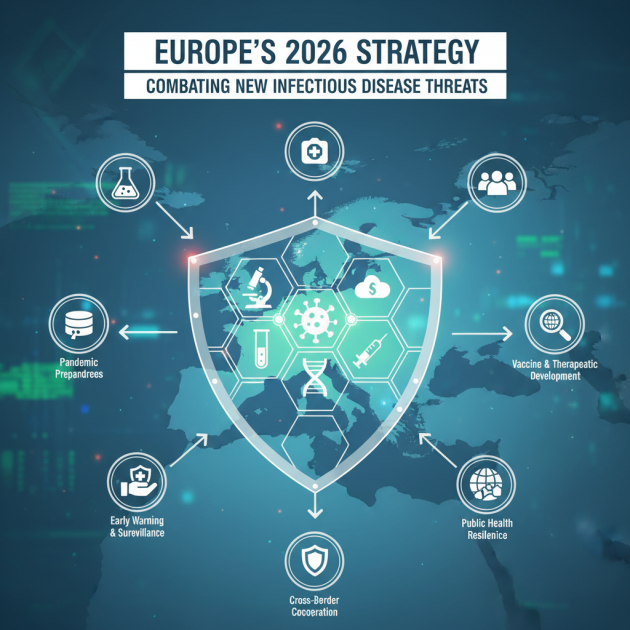
As the world continues to face the challenges posed by infectious diseases, Europe's response in 2026 showcases a comprehensive strategy aimed at enhancing preparedness and resilience within its healthcare systems. The lessons learned from past outbreaks have led to innovative approaches that prioritize public health safety across the continent.
Understanding the Landscape of Infectious Disease Threats
In recent years, Europe has witnessed several outbreaks that highlighted vulnerabilities in public health systems. The COVID-19 pandemic served as a wake-up call, prompting policymakers to reassess their strategies for managing infectious diseases. In 2026, Europe is better equipped to handle these threats through a combination of advanced technology, research, and cooperation among member states.
Preparedness Strategies
- Enhanced Surveillance Systems: Europe's health authorities have implemented robust surveillance systems that utilize real-time data analytics to detect and respond to outbreaks swiftly. This includes the integration of AI technologies to predict potential hotspots.
- Strengthened Vaccination Programs: Vaccination remains a cornerstone of Europe’s public health strategy. In 2026, a unified vaccination program across EU countries allows for rapid deployment of vaccines during outbreaks, ensuring widespread immunity.
- Investment in Research and Development: Increased funding for R&D facilitates the swift development of new vaccines and treatments. Collaborative initiatives, such as the European Vaccine Initiative, are at the forefront of this effort.
- Public Health Education: Europe has prioritized educating the public on hygiene practices and vaccination importance, fostering a culture of health consciousness and proactive disease prevention.
Resilience of Healthcare Systems
For a healthcare system to be effective in managing infectious diseases, resilience is key. In 2026, European nations have adopted several measures to enhance the resilience of their healthcare systems:
1. Strengthening Healthcare Infrastructure
Investment in healthcare infrastructure has been a priority, ensuring that hospitals and clinics are well-equipped to handle surges in patient numbers during outbreaks. This includes increasing ICU capacity and ensuring a steady supply of essential medical equipment.
2. Intersectoral Collaboration
Collaboration between various sectors, including public health, agriculture, and environmental science, has been emphasized. This integrated approach helps address the root causes of infectious disease outbreaks, such as zoonotic diseases, and promotes a more comprehensive health strategy.
3. Training and Workforce Development
Europe has invested significantly in training healthcare professionals to recognize and respond to infectious diseases. Ongoing education ensures that the workforce remains prepared for the evolving landscape of public health threats.
International Cooperation
Europe's response to infectious disease threats in 2026 is characterized by robust international collaboration. The European Centre for Disease Prevention and Control (ECDC) plays a vital role in coordinating responses across member states, sharing vital data and resources to combat outbreaks effectively.
Global Partnerships
In addition to intra-European collaboration, partnerships with global health organizations such as the World Health Organization (WHO) are critical. These partnerships facilitate the exchange of knowledge and resources, ensuring that Europe remains at the forefront of global health initiatives.
Conclusion
As Europe navigates the complexities of infectious disease threats in 2026, its commitment to preparedness and resilience is evident. Through enhanced surveillance, vaccination strategies, and international cooperation, Europe stands ready to face any challenge that arises, ensuring the health and safety of its citizens.