
Understanding the Energy Crisis of 2026
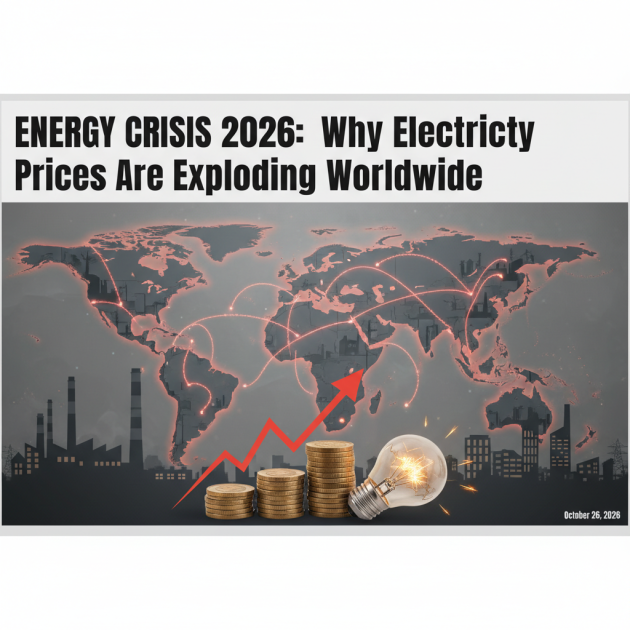
The year 2026 has ushered in an alarming energy crisis that has left many nations grappling with skyrocketing electricity prices. This situation is not just a fleeting phenomenon; it is a culmination of various factors that have been brewing for years. Understanding the reasons behind this crisis is crucial for consumers, policymakers, and businesses alike.
Factors Driving Up Electricity Prices
Several key factors contribute to the current surge in electricity prices:
- Increased Demand: As economies recover from the COVID-19 pandemic, there has been a significant rebound in energy consumption. Industries are ramping up production, and consumers are turning to electric vehicles, all of which are straining the existing energy supply.
- Supply Chain Disruptions: The global supply chain remains fragile, exacerbated by geopolitical tensions and the lingering effects of the pandemic. Delays in the delivery of essential components for energy production, such as natural gas and renewable energy technologies, have hindered the ability to meet the surging demand.
- Climate Change Policies: While necessary for a sustainable future, aggressive climate policies aimed at reducing fossil fuel reliance have contributed to a short-term energy crunch. The transition to renewables is not happening fast enough to offset the decrease in fossil fuel sources.
- Natural Disasters: Climate-related disasters, such as hurricanes and wildfires, have disrupted energy infrastructure. In 2026, several regions have experienced severe weather events, leading to outages and increased repair costs, which are subsequently passed on to consumers.
- Geopolitical Tensions: Conflicts in energy-producing regions have resulted in uncertainties around oil and gas supply. Nations heavily dependent on imports are facing higher costs, leading to inflation in energy prices globally.
The Impact of Rising Electricity Prices
The implications of soaring electricity prices extend beyond just financial burdens on consumers. Here are some of the significant impacts:
- Increased Living Costs: Households are feeling the pinch as energy bills rise. This increase affects not just electricity but also the cost of goods and services, exacerbating inflationary pressures.
- Economic Slowdown: Industries reliant on electricity for manufacturing are facing higher operational costs, which could lead to reduced production, layoffs, or even business closures in extreme cases.
- Social Inequality: Vulnerable populations are disproportionately affected by rising energy costs. Increased bills can lead to energy poverty, where low-income families struggle to afford basic energy needs.
- Political Repercussions: Governments may face backlash from constituents unhappy with rising costs. This dissatisfaction can lead to political instability and shifts in leadership as citizens demand action.
What Can Be Done?
Addressing the energy crisis requires a multi-faceted approach:
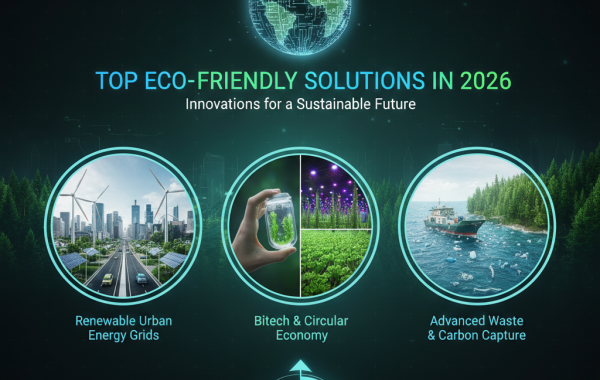
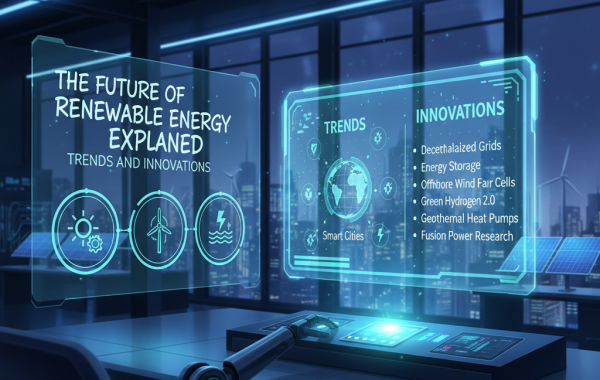
- Investment in Renewable Energy: Governments and private sectors must accelerate investments in renewable energy sources. This includes not just solar and wind but also innovative technologies like energy storage and smart grids.
- Diversification of Energy Sources: Reducing reliance on a single source of energy can help stabilize prices. This may involve increasing the use of nuclear energy or exploring alternative fuels.
- Enhancing Energy Efficiency: Encouraging energy-saving measures in homes and businesses can reduce overall demand, thus easing pressure on prices.
- Policy Reforms: Policymakers need to evaluate and adjust regulations that may be hindering energy production and distribution.
Conclusion
The energy crisis in 2026 serves as a stark reminder of our vulnerabilities in the face of global challenges. By understanding the underlying causes and taking proactive measures, we can work towards a more resilient energy future. It is critical that we prioritize both immediate solutions and long-term strategies to ensure sustainable and affordable energy for all.