
The Energy Crisis of 2026: An Urgent Call for Change
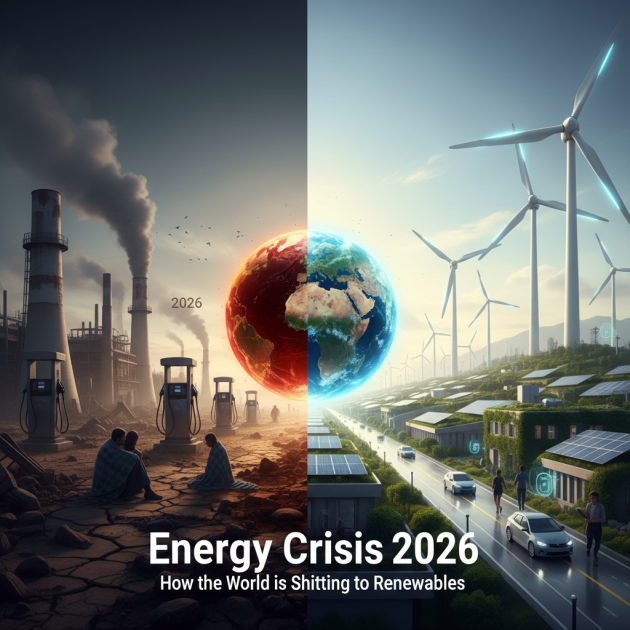
As we approach 2026, the global energy landscape is undergoing significant transformations. With the looming energy crisis, driven by dwindling fossil fuel supplies and escalating climate concerns, countries around the world are making a decisive shift towards renewable energy sources. This article delves into the factors fueling this transition and highlights the innovations paving the way for a sustainable future.
Understanding the Drivers Behind the Shift
The energy crisis of 2026 is a culmination of various interlinked factors:
- Depleting Fossil Fuels: As traditional energy resources become scarcer, the reliance on fossil fuels is proving unsustainable.
- Climate Change: The increasing frequency of extreme weather events has underscored the urgent need for cleaner energy solutions.
- Technological Advancements: Innovations in renewable technologies have made them more efficient and cost-effective.
- Policy and Regulation: Governments are implementing stricter regulations to reduce carbon emissions and promote sustainable practices.
Renewable Energy Sources on the Rise
The shift towards renewable energy is not just a theoretical concept; it is happening in real-time. Here are the primary renewable sources making significant strides:
Solar Energy
Solar energy has emerged as one of the fastest-growing renewable energy sources. With advancements in photovoltaic technology and energy storage solutions, solar power is more accessible and affordable than ever. Countries like China and Germany are leading the way in solar energy adoption, with vast solar farms and residential installations.
Wind Energy
Onshore and offshore wind farms are becoming integral to the energy mix in many countries. The United States and Europe are investing heavily in wind power, harnessing natural wind currents to generate substantial amounts of electricity. As turbine technology improves, the efficiency and capacity of wind farms continue to grow.
Geothermal and Hydropower
While solar and wind often steal the spotlight, geothermal and hydropower remain critical components of a balanced renewable energy strategy. Geothermal energy utilizes heat from the Earth’s core, providing a constant and reliable energy source. Hydropower, harnessing the flow of water, continues to be a significant contributor to the energy grid in many regions.
The Role of Energy Storage
One of the major challenges with renewable energy is its intermittent nature. However, advancements in energy storage technology, particularly lithium-ion batteries and emerging alternatives, are addressing this issue. Efficient energy storage systems allow for the capture and release of energy, ensuring a stable and reliable power supply even when renewable sources are not actively generating energy.
Global Cooperation and Investment
The transition to renewables is not a solitary endeavor. It requires global collaboration and investment. International organizations and governments are increasingly working together to share knowledge, technologies, and funding to accelerate the shift. Initiatives such as the Paris Agreement emphasize the importance of cooperative efforts in combating climate change and promoting renewable energy.
Challenges Ahead
Despite the optimistic outlook, several challenges remain in the path towards a fully renewable future:
- Infrastructure Development: Upgrading existing infrastructure to accommodate renewable energy sources is a significant undertaking.
- Public Acceptance: There is a need for public education and acceptance of renewable energy technologies.
- Investment Needs: Securing the necessary funding for large-scale renewable projects can be daunting.
Conclusion
The energy crisis of 2026 is a pivotal moment in our history, prompting a rapid and necessary shift to renewable energy. With innovative technologies and collective global efforts, the world is on the brink of a sustainable energy revolution. Embracing renewables not only addresses the immediate energy crisis but also ensures a healthier planet for future generations.