
The State of Our Planet in 2026
As we move closer to 2026, the effects of climate change are becoming more pronounced and alarming. Scientists around the globe are warning us about the potential scenarios we may face if we do not take immediate action. This article delves into the latest predictions regarding climate change, its impact on our environment, and what we can do to mitigate these effects.
Rising Temperatures: A Global Concern
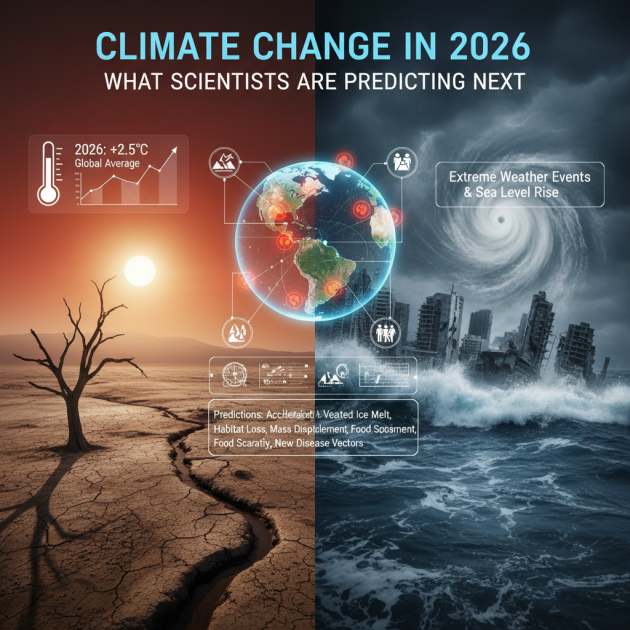
One of the most pressing predictions for 2026 is the continued increase in global temperatures. According to the Intergovernmental Panel on Climate Change (IPCC), we are on track to see a rise of 1.5 degrees Celsius above pre-industrial levels by 2026 if current trends continue. This rise will lead to:
- Heatwaves: More frequent and severe heatwaves are expected, particularly in regions already susceptible to high temperatures.
- Melting Ice Caps: The Arctic and Antarctic ice sheets are projected to continue their rapid decline, contributing to rising sea levels.
- Increased Wildfires: Warmer temperatures and prolonged droughts will create conditions ripe for wildfires, affecting air quality and wildlife.
Extreme Weather Events on the Rise
Another significant prediction is the increase in the frequency and intensity of extreme weather events. Scientists anticipate that by 2026, we will experience:
- More Intense Hurricanes: Warmer ocean waters will fuel more powerful hurricanes and typhoons, leading to devastating impacts on coastal communities.
- Record Flooding: Increased precipitation and rapid snowmelt will result in severe flooding, particularly in low-lying areas.
- Severe Droughts: Regions prone to drought will face more extended periods without rain, threatening agriculture and water supplies.
Impact on Biodiversity
The biodiversity crisis is closely tied to climate change. As temperatures rise and habitats shift, many species will struggle to adapt. In 2026, scientists predict:
- Species Extinction: Many plant and animal species may face extinction if they cannot adapt to the changing climate.
- Shifts in Ecosystems: Ecosystems will undergo significant changes, with some species thriving while others decline.
- Ocean Acidification: Increased CO2 levels will continue to acidify oceans, threatening marine life and coral reefs.
What Can We Do?
Despite these dire predictions, there is still hope. Scientists emphasize the importance of immediate action to mitigate the effects of climate change. Here are some steps we can take:
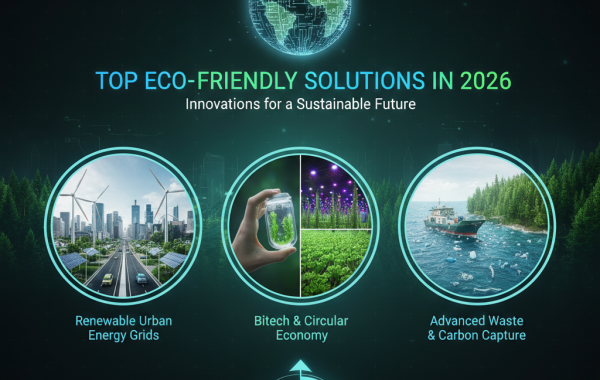
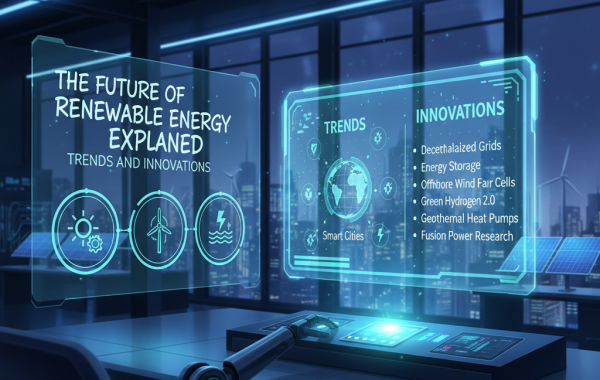
- Reduce Carbon Footprint: Individuals can lower their carbon emissions by using public transport, reducing energy consumption, and supporting renewable energy sources.
- Advocate for Policy Change: Supporting policies that promote environmental sustainability can drive systemic change.
- Educate and Raise Awareness: Spreading awareness about climate change and its impacts can encourage collective action.
Conclusion
As we look towards 2026, it is crucial to heed the warnings of scientists about the accelerating impacts of climate change. By understanding the predictions and taking proactive steps, we can work together to create a more sustainable future for our planet. The time to act is now; our planet's health depends on it.