
Introduction
As Europe aims to combat climate change and reduce its carbon footprint, the year 2026 marks a critical juncture in the implementation of various carbon reduction strategies. With a commitment to achieving net-zero emissions by 2050, the European Union (EU) is actively pursuing effective measures to meet its climate goals. This article delves into the strategies currently employed and evaluates their effectiveness.
Current Landscape of Carbon Reduction Strategies
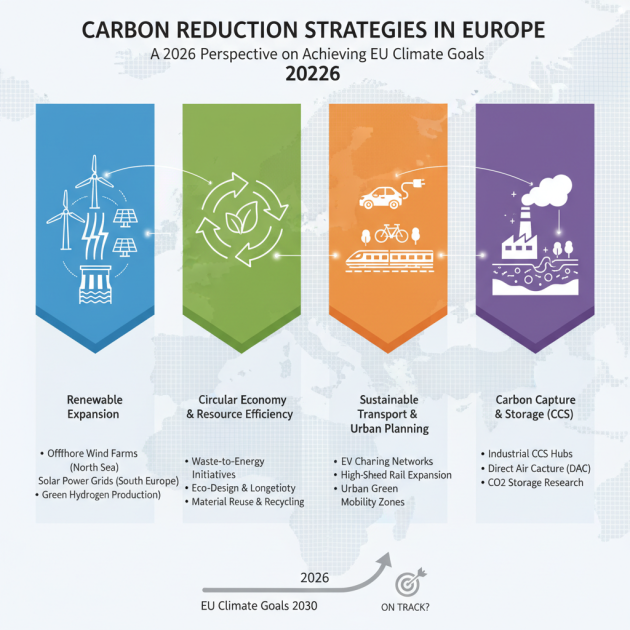
By 2026, Europe has implemented a multi-faceted approach to carbon reduction, encompassing policy initiatives, technological advancements, and public engagement. Here are some of the key strategies:
- EU Emissions Trading System (EU ETS): This cap-and-trade system limits emissions from key sectors, encouraging industries to invest in cleaner technologies.
- Renewable Energy Transition: A significant push towards renewable energy sources, such as wind, solar, and hydroelectric power, is underway, aiming to reduce dependency on fossil fuels.
- Energy Efficiency Programs: Initiatives aimed at improving energy efficiency in buildings, transportation, and industries are crucial for reducing overall energy consumption.
- Carbon Capture and Storage (CCS): Investments in CCS technology are increasing, allowing industries to capture and store carbon emissions, preventing them from entering the atmosphere.
- Sustainable Transportation Initiatives: The promotion of electric vehicles (EVs) and public transport systems is pivotal in reducing emissions from the transportation sector.
Evaluating the Effectiveness of Strategies
To assess the effectiveness of these strategies, it is essential to look at measurable outcomes and progress towards EU climate goals:
Reduction in Greenhouse Gas Emissions
Data from 2026 indicates that the EU has successfully reduced greenhouse gas emissions by approximately 25% compared to 1990 levels. The EU ETS has played a significant role in this reduction by incentivizing companies to lower emissions.
Increase in Renewable Energy Share
Renewable energy sources have surged, now accounting for over 50% of the energy mix in several EU member states. This transition has not only decreased carbon emissions but also created jobs in the renewable sector.
Energy Efficiency Gains
Through energy efficiency programs, many buildings have achieved significant reductions in energy consumption. The EU has reported an overall energy savings of 20% across various sectors, which contributes to lower emissions.
Public Engagement and Awareness
Public awareness of climate issues has grown, leading to increased support for sustainable practices. Citizens are now more engaged in activities such as recycling, using public transportation, and advocating for policy changes.
Challenges Ahead
Despite the progress, several challenges remain on the path to achieving EU climate goals:
- Economic Disparities: Different member states have varying capacities for implementing carbon reduction strategies, leading to inequalities in progress.
- Technological Barriers: The rapid development of technologies like CCS must keep pace with the ambitious timelines set by the EU.
- Political Will: Achieving consensus among member states on climate policies can be challenging, impacting the overall effectiveness of strategies.
Conclusion
As Europe moves forward in 2026, the collective efforts towards carbon reduction are promising. While significant strides have been made, continued dedication to innovation, collaboration, and public engagement will be essential to ensure the EU meets its climate goals while fostering a sustainable future. The next few years will be critical in shaping the long-term success of these strategies.