
The Landscape of Skill Gaps in Europe by 2026
As we move closer to 2026, Europe is projected to face substantial skill gaps across various sectors, driven by rapid technological advancements and changing economic demands. These gaps not only threaten the competitiveness of the labor market but also hinder individual career prospects. Understanding the nature of these skill gaps is crucial for effective intervention.
Identifying Skill Shortages
Recent studies have highlighted several key areas where skill shortages are most pronounced:
- Digital Skills: With the rise of AI, big data, and cybersecurity, there is a growing demand for professionals skilled in these technologies.
- Healthcare Professionals: An aging population is increasing the need for healthcare workers, including nurses and specialized medical practitioners.
- Green Jobs: As Europe strives for sustainability, there is a burgeoning need for skills related to renewable energy and environmental conservation.
- Technical and Vocational Skills: Skilled trades such as electricians and plumbers are in short supply, requiring targeted training and apprenticeships.
Government Initiatives to Address Skill Gaps
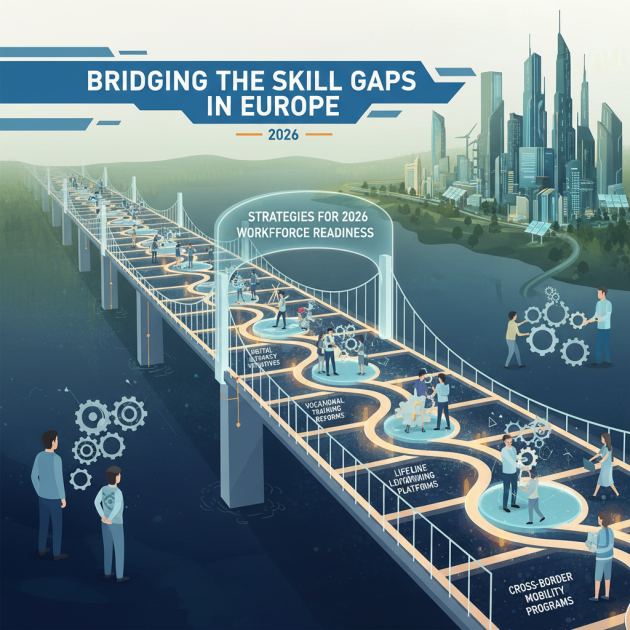
Recognizing the urgency of these skill gaps, European governments are implementing various initiatives aimed at enhancing workforce readiness.
1. Enhanced Education and Training Programs
Many governments are revising educational curricula to ensure that they align with current and future job market needs. This includes:
- Integrating digital literacy into primary and secondary education.
- Fostering partnerships between educational institutions and industries to develop specialized training programs.
- Promoting lifelong learning initiatives to allow adults to reskill or upskill throughout their careers.
2. Investment in Vocational Training
Vocational training programs are receiving increased attention as a means to equip individuals with practical skills. Governments are investing in:
- Apprenticeship schemes that provide hands-on experience in various trades.
- Subsidizing vocational training institutions to expand access.
- Creating awareness campaigns to promote vocational careers as viable pathways.
3. Collaboration with Private Sector
Partnerships between the public and private sectors are essential for understanding the specific skills needed in the job market. Initiatives include:
- Industry-led skill councils that provide insights into emerging trends and required competencies.
- Corporate sponsorships for training programs that align with business needs.
- Internship and mentorship programs facilitated by companies to nurture young talent.
The Role of Educational Institutions
Educational institutions play a pivotal role in bridging the skill gap. Here’s how they are adapting:
1. Curriculum Innovation
Institutions are revamping their curricula to include:
- Project-based learning that emphasizes real-world problem solving.
- Interdisciplinary programs that combine technical and soft skills.
- Online and blended learning options for greater accessibility.
2. Focus on Soft Skills
In addition to technical skills, a strong emphasis on soft skills such as teamwork, communication, and adaptability is being integrated into programs. These skills are critical in today’s collaborative work environments.
Conclusion: A Collaborative Future
As Europe approaches 2026, addressing skill gaps will require a concerted effort from governments, educational institutions, and the private sector. By fostering collaboration, investing in training, and innovating educational practices, Europe can build a skilled workforce ready to meet the challenges of the future.
Ultimately, the success of these initiatives will not only enhance individual career trajectories but also bolster the overall economic resilience of the continent.