
Introduction
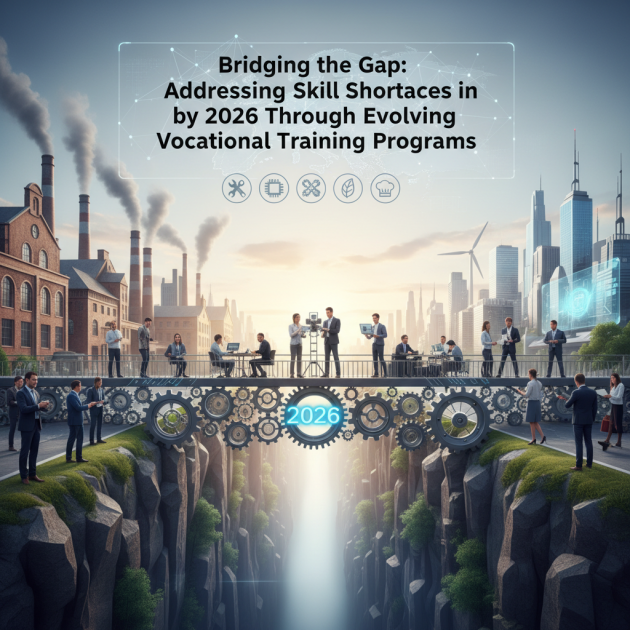
By 2026, Europe is poised to experience a critical shortage of skilled workers across various sectors. This anticipated gap poses significant challenges for businesses, economies, and individuals alike. In response, vocational training programs are undergoing transformative changes to equip the future workforce with the necessary skills to meet labor market demands. This article explores the current landscape of skill shortages in Europe and the innovative approaches being adopted in vocational education and training (VET).
The Current State of Skill Shortages in Europe
Skill shortages in Europe are not a new phenomenon, but they are becoming increasingly pronounced. According to recent studies, several industries, including technology, healthcare, and construction, are projected to face acute talent deficits. The European Commission estimates that by 2026, approximately 8 million jobs could remain unfilled due to a lack of qualified candidates.
Factors Contributing to Skill Shortages
- Demographic Changes: An aging population is leading to a retirement crisis, particularly in skilled trades and healthcare sectors.
- Technological Advancements: Rapid advancements in technology require workers to adapt and acquire new skills, often faster than traditional education systems can respond.
- Mismatch of Skills: There is a growing disconnect between the skills taught in educational institutions and those required by employers.
The Evolution of Vocational Training Programs
To combat these skill shortages, vocational training programs are evolving in several key ways:
1. Industry Partnerships
Vocational training institutions are increasingly collaborating with industries to ensure their curricula align with current and future job market needs. By partnering with employers, these programs can provide students with hands-on experience and insights into the skills that are in demand.
2. Emphasis on Lifelong Learning
With the rapid pace of change in the job market, there is a growing recognition of the importance of lifelong learning. Vocational training programs are adapting by offering flexible learning pathways that allow individuals to reskill or upskill at various stages of their careers. This approach not only helps address immediate skill gaps but also prepares the workforce for future changes.
3. Integration of Technology
As technology continues to reshape industries, vocational training programs are incorporating digital tools and platforms. Virtual simulations, online courses, and interactive learning environments are becoming common, enabling students to gain practical experience in a safe and controlled setting. These technological advancements enhance the learning experience and better prepare students for the realities of the workplace.
4. Focus on Soft Skills
Technical skills alone are insufficient in today’s workforce. Employers increasingly seek candidates with strong soft skills such as communication, teamwork, and problem-solving. Vocational training programs are recognizing this need and incorporating soft skills training into their curricula, ensuring that graduates are well-rounded and ready to thrive in collaborative work environments.
Case Studies of Successful Vocational Training Initiatives
Several countries in Europe are leading the way in innovative vocational training initiatives:
Germany’s Dual Education System
Germany’s dual education system combines classroom learning with practical experience in the workplace. Students split their time between vocational schools and company internships, providing them with a comprehensive understanding of their chosen fields. This model has significantly contributed to lower youth unemployment rates in Germany.
Finland’s Competence-Based Education
Finland has shifted to a competence-based education model, focusing on what students can do rather than simply what they know. This approach allows for personalized learning experiences that are tailored to individual strengths and market demands, ensuring that graduates possess the relevant skills for their careers.
Conclusion
As Europe moves towards 2026, addressing skill shortages will require innovative and agile approaches to vocational training. By evolving programs to meet the changing demands of the labor market, stakeholders can help ensure a skilled workforce ready to tackle the challenges of the future. Collaborative efforts between educational institutions, industries, and governments are essential in creating a sustainable solution to this pressing issue.