
Introduction
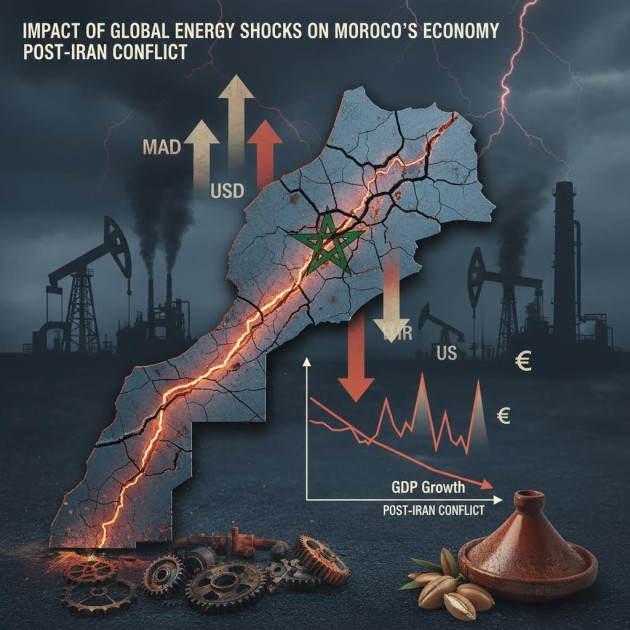
Morocco, a North African country known for its rich culture and diverse economy, faces significant challenges due to global energy shocks, particularly following the renewed tensions in the Middle East stemming from the Iran conflict. This report delves into how these energy fluctuations are reshaping Morocco's economic landscape.
The Global Energy Landscape
In recent years, geopolitical tensions, particularly the Iran conflict, have led to volatility in global oil and gas markets. As one of the largest oil producers in the Middle East, Iran's instability has ripple effects on global energy prices. For Morocco, which imports over 90% of its energy needs, these shocks have profound implications.
Energy Dependency
Morocco's energy dependency is a critical vulnerability. The country relies heavily on imported fossil fuels, primarily crude oil and natural gas. The rise in global energy prices has resulted in increased import costs, straining the national budget and impacting economic stability.
Economic Impact of Energy Price Fluctuations
The surge in energy prices due to global shocks has led to several economic repercussions for Morocco:
- Inflationary Pressures: Increased energy costs contribute to higher inflation rates, affecting the cost of living for Moroccan citizens. Essential goods such as food and transportation see price hikes, which can lead to public unrest.
- Trade Balance: Morocco's trade deficit widens as the cost of energy imports escalates. This imbalance can lead to a weakening of the national currency, further complicating economic recovery efforts.
- Investment in Renewable Energy: The rising energy costs have prompted Morocco to accelerate its investments in renewable energy sources. The country is already a leader in solar and wind energy initiatives, but the urgency for energy independence has never been higher.
- Impact on Key Sectors: Industries such as manufacturing and agriculture, which are energy-intensive, face higher operational costs. This can lead to reduced competitiveness in both domestic and international markets.
Government Response to Energy Challenges
In response to these challenges, the Moroccan government has implemented several strategies:
- Subsidy Reforms: The government has adjusted energy subsidies to manage fiscal pressures while ensuring that vulnerable populations are protected from excessive price hikes.
- Diversification of Energy Sources: Morocco is actively pursuing diversification of its energy supply. This includes not only the expansion of renewable energy projects but also exploring partnerships with other nations for energy imports.
- Regional Cooperation: Morocco is engaging in regional energy cooperation with neighboring countries to enhance energy security. This includes projects focused on electricity interconnection and the sharing of renewable resources.
Looking Ahead: The Future of Morocco’s Economy
As Morocco navigates the complexities of a post-Iran conflict world, the focus on sustainability and energy independence becomes even more crucial. The country's ambitious renewable energy goals aim to generate over 50% of its electricity from renewable sources by 2030. This shift not only aims to mitigate the impacts of global energy shocks but also presents an opportunity for economic growth through green jobs and technology innovation.
Conclusion
In conclusion, while the global energy shocks resulting from the Iran conflict pose significant challenges to Morocco's economy, they also provide a crucial impetus for reform and innovation in the energy sector. By prioritizing energy independence and sustainability, Morocco can better position itself for future economic resilience.