
Introduction
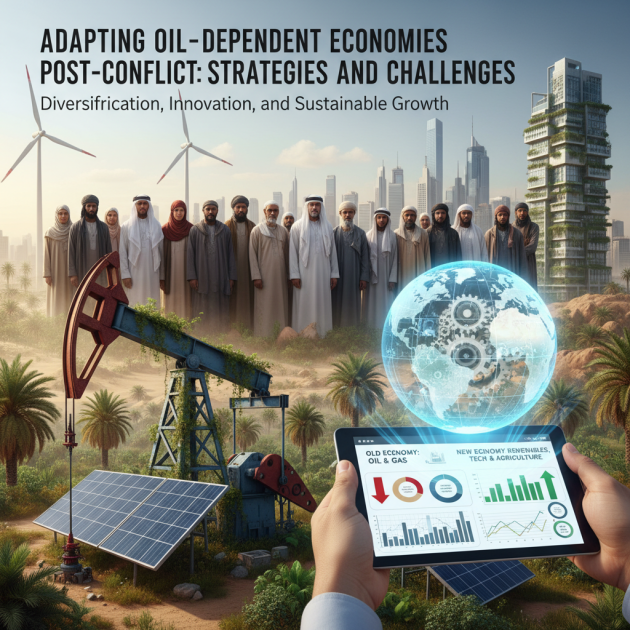
The aftermath of conflict often leaves oil-dependent economies in a precarious position. With fluctuating oil prices and the pressing need for diversification, these economies face the dual challenge of rebuilding and rethinking their economic strategies. This article delves into how these nations are adapting post-war to secure a sustainable future.
The Impact of Conflict on Oil Economies
Conflict disrupts the delicate balance of economies reliant on oil. Production facilities may be damaged, and infrastructure can be compromised, leading to a significant decline in output and revenue. For example, countries like Libya and Iraq have experienced substantial turmoil, which directly impacted their oil production.
Initial Economic Consequences
- Revenue Loss: The immediate aftermath of war often sees a steep decline in oil exports, leading to budget deficits.
- Investment Deterioration: Foreign and domestic investments plummet as investors shy away from unstable regions.
- Unemployment: The oil sector, being a significant employer, faces layoffs, further exacerbating the economic downturn.
Diversification Strategies
Recognizing the inherent risks of oil dependency, post-war economies are increasingly focusing on diversification strategies. Here are some key approaches they are adopting:
1. Investing in Renewable Energy
With the global shift towards sustainability, many oil-dependent countries are investing in renewable energy sources such as solar and wind. For instance, Saudi Arabia has launched initiatives like the Saudi Green Initiative to reduce its carbon footprint and develop a sustainable energy sector.
2. Promoting Tourism
Countries rich in cultural heritage and natural beauty are capitalizing on tourism to bolster their economies. Iraq, for instance, is working to restore its historical sites to attract international visitors, creating jobs and generating revenue beyond oil.
3. Industrial Development
Developing local industries can help create jobs and reduce dependency on oil exports. Governments are incentivizing the growth of sectors such as manufacturing and agriculture, which can provide stability and create a more balanced economy.
Challenges in Transitioning
Despite the clear advantages of diversification, oil-dependent economies face significant challenges in transitioning away from oil. Here are some of the prominent hurdles:
1. Political Instability
Ongoing political uncertainty can hinder efforts to attract foreign investment necessary for diversification. Instability can also lead to inconsistent policies that discourage long-term economic planning.
2. Infrastructure Damage
Post-conflict reconstruction requires substantial financial resources and time. Damaged infrastructure can delay the development of new industries and the revival of existing ones.
3. Skilled Labor Shortages
Shifts towards new industries often require a workforce with different skill sets. Education and training programs need to be established to prepare the labor force for these new opportunities.
Case Studies of Successful Adaptation
Several countries have made significant strides in adapting their economies post-conflict:
United Arab Emirates (UAE)
The UAE has successfully diversified its economy through investments in tourism, finance, and technology. This shift has reduced its oil dependency from over 90% to less than 30% of its GDP.
Colombia
Though not completely oil-dependent, Colombia's post-conflict strategies included strengthening agricultural sectors and tourism to boost growth and job creation.
Conclusion
As oil-dependent economies grapple with the challenges of post-war recovery, their resilience and adaptability will be tested. By embracing diversification, investing in infrastructure, and fostering political stability, these nations can pave the way for a more sustainable and prosperous future. The road ahead may be fraught with challenges, but the potential for growth and innovation remains strong.