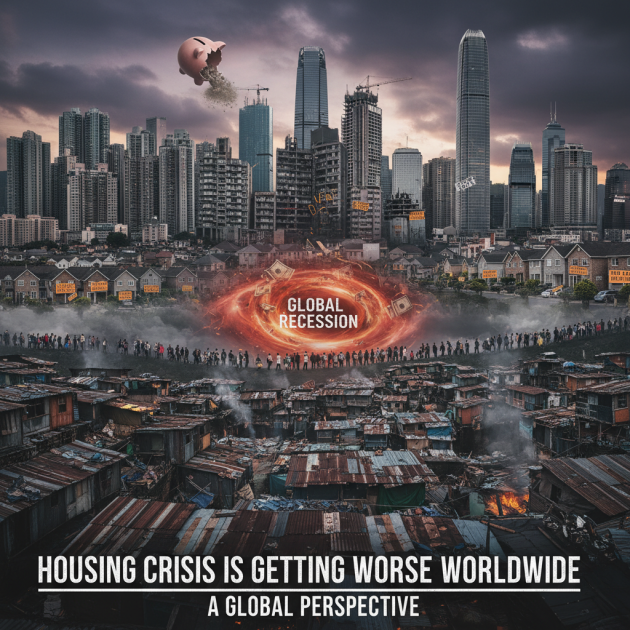

Understanding the Global Housing Crisis
The housing crisis is not just a local issue; it has become a significant global challenge. As urban populations swell and economic pressures mount, the availability of affordable housing is dwindling. This article delves into the factors contributing to this crisis and explores potential solutions.
Key Factors Driving the Housing Crisis
Several interlinked factors are exacerbating the housing crisis worldwide:
- Urbanization: Rapid urbanization has led to increased demand for housing in cities, often outpacing supply.
- Economic Inequality: The growing wealth gap means that while some can afford high rents and mortgages, many others are left struggling.
- Inflation: Rising costs of living, including utilities and food, make it harder for people to afford housing.
- Investment Trends: Real estate is increasingly viewed as a safe investment, leading to price surges in many markets, pushing out local residents.
- Policy Failures: Inadequate government policies in many countries fail to address the root causes of the housing crisis.
Regional Perspectives on the Housing Crisis
The housing crisis manifests differently across regions, with varying degrees of severity:
North America
In North America, particularly in cities like San Francisco and Vancouver, skyrocketing property prices have pushed affordable housing out of reach for many families. The lack of effective rent control measures and zoning laws has exacerbated the issue.
Europe
European cities like London and Berlin are facing similar challenges, where demand for housing is outstripping supply. The rise of short-term rentals through platforms like Airbnb has reduced the availability of long-term rental properties.
Asia
In Asia, countries such as China and India are grappling with significant housing shortages due to rapid urban migration. This has led to the rise of informal settlements and slums, where living conditions are often dire.
Africa
Africa faces unique challenges with a growing population and limited infrastructure. Many cities are experiencing informal housing developments, leading to overcrowded and unsanitary living conditions.
Potential Solutions to the Housing Crisis
While the housing crisis is daunting, several strategies can be implemented to alleviate the situation:
- Increased Affordable Housing Development: Governments and private sectors must collaborate to build more affordable housing units.
- Policy Reforms: Implementing effective policies that promote balanced development and protect renters can help address housing shortages.
- Investment in Infrastructure: Improving public transportation and infrastructure can make less desirable areas more accessible, encouraging balanced urban growth.
- Community Land Trusts: Establishing community land trusts can help keep housing affordable by removing land from the speculative market.
- International Cooperation: Countries can learn from each other’s successes and challenges, sharing best practices to combat the crisis.
Conclusion
The housing crisis is a multifaceted issue that requires urgent attention and action. By understanding the contributing factors and implementing targeted solutions, we can work towards a future where safe and affordable housing is accessible to all.