
Introduction
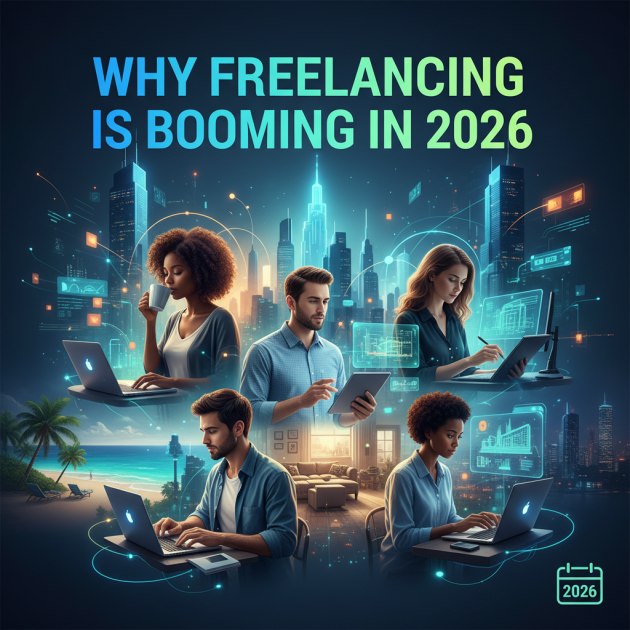
As we dive deeper into 2026, the freelancing landscape has transformed dramatically, leading to a surge in independent work across various industries. This article explores the key factors contributing to the booming freelance economy and how both freelancers and businesses are adapting to this new norm.
The Rise of Remote Work
One of the primary catalysts for the rise in freelancing has been the widespread acceptance of remote work. The global pandemic accelerated this trend, with companies realizing that productivity could be maintained or even enhanced outside traditional office spaces. By 2026, many businesses have embraced hybrid models, allowing for more flexible work arrangements.
Benefits of Remote Work
- Flexibility: Freelancers enjoy the freedom to choose their working hours, enabling them to balance personal commitments and work more effectively.
- Global Opportunities: Remote work has opened up a world of opportunities for freelancers, allowing them to collaborate with clients and companies from different countries.
- Cost Savings: Both businesses and freelancers save money on commuting and operational costs, making freelancing an appealing option.
Technological Advancements
Technology has played a pivotal role in enabling the freelance boom. With tools and platforms designed specifically for freelancers, managing projects, invoicing, and communication has never been easier.
Key Technologies Driving Freelancing
- Freelance Platforms: Websites such as Upwork, Fiverr, and Freelancer have streamlined the process of connecting freelancers with potential clients.
- Project Management Tools: Tools like Asana, Trello, and Slack facilitate collaboration and organization, making it simpler for freelancers to manage their workload.
- Payment Solutions: Services like PayPal and Stripe offer quick and secure payment methods, ensuring freelancers can receive their earnings promptly.
Changing Workforce Dynamics
The traditional 9-to-5 work model is gradually becoming less favored, especially among younger generations. Many professionals are seeking more meaningful work experiences and opportunities that align with their passions.
The Shift in Attitudes Towards Work
- Desire for Autonomy: Freelancers appreciate the control they have over their work, allowing them to choose projects that resonate with their skills and interests.
- Work-Life Balance: The emphasis on mental health and well-being has led many to seek freelance opportunities that offer better work-life integration.
- Skill Diversity: Freelancers often have the chance to work on a variety of projects, allowing them to continually learn and grow their skill sets.
Market Demand for Specialized Skills
In 2026, there is an increasing demand for specialized skills, particularly in fields such as technology, marketing, and design. Businesses are seeking experts who can deliver high-quality work without the commitment of a full-time hire.
Emerging Sectors for Freelancers
- Tech and Development: As digital transformation continues, the demand for freelance software developers, data analysts, and cybersecurity experts has soared.
- Creative Services: Graphic designers, content creators, and video producers are in high demand as brands focus on enhancing their online presence.
- Consulting: Freelance consultants in various industries are helping businesses navigate complex challenges, from strategy to implementation.
Conclusion
The freelancing boom in 2026 is a testament to the evolving nature of work. As businesses and workers adapt to this new landscape, the future looks bright for freelancers seeking autonomy and diverse opportunities. Embracing this trend can lead to a more fulfilling work experience and greater flexibility.