
Introduction
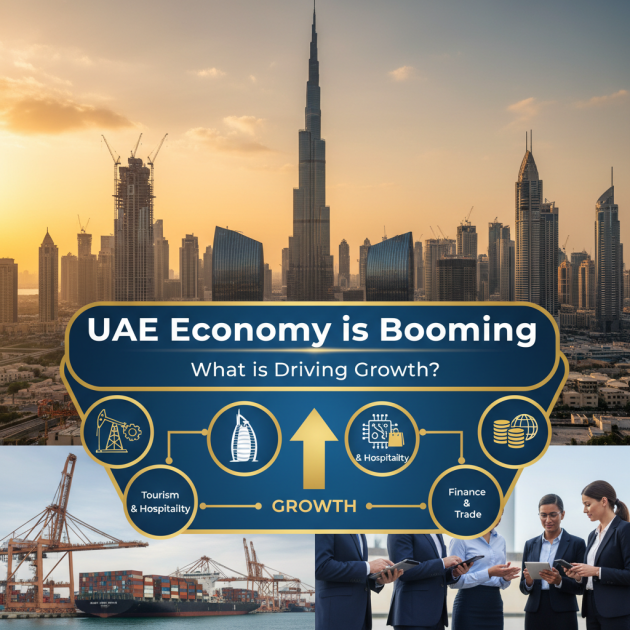
The United Arab Emirates (UAE) has emerged as a beacon of economic growth in the Middle East, showcasing resilience and adaptability in an ever-evolving landscape. As we delve into the factors driving this remarkable growth, it becomes clear that a combination of strategic planning, diversification, and innovation plays a pivotal role.
Diversification of the Economy
Historically reliant on oil, the UAE has successfully diversified its economy over the past few decades. This shift has allowed the nation to withstand fluctuations in global oil prices and focus on sustainable growth. Key sectors contributing to this diversification include:
- Tourism: The UAE is a global tourist hotspot, attracting millions annually with its luxury hotels, shopping, and cultural experiences.
- Real Estate: Major developments in cities like Dubai and Abu Dhabi have fueled investment and attracted international buyers.
- Finance: The UAE has positioned itself as a financial hub, with a robust banking sector and an influx of foreign investments.
- Technology: Initiatives to become a leader in tech innovation are driving growth in the digital economy.
Government Initiatives and Vision 2030
The UAE government has implemented various initiatives aimed at fostering economic growth. Vision 2030 lays out a comprehensive framework for sustainable development, focusing on innovation, knowledge-based industries, and enhancing the quality of life. Some notable initiatives include:
- Free Zones: The establishment of free trade zones has attracted foreign businesses with tax incentives and 100% ownership rights.
- Expo 2020: Although postponed to 2021, this event has been a catalyst for economic activity, improving infrastructure and boosting tourism.
- Green Economy Strategy: Efforts to promote renewable energy and sustainable practices are gaining momentum, reducing dependence on fossil fuels.
Innovation and Technology
The UAE is embracing technology to enhance its economic landscape. From smart cities to fintech innovations, the government is investing heavily in tech-driven solutions. Key developments include:
- Artificial Intelligence: The UAE aims to be a leader in AI, with initiatives to integrate AI technologies across various sectors.
- Blockchain: The nation is at the forefront of blockchain adoption, particularly in finance and supply chain management.
- Smart Cities: Projects like Masdar City and the Dubai Smart City initiative are redefining urban living through technology.
Workforce Development
A skilled workforce is crucial for sustaining economic growth. The UAE is investing in education and training programs to equip its citizens with the skills needed for a modern economy. Programs targeting STEM (Science, Technology, Engineering, and Mathematics) education are particularly emphasized. Furthermore, attracting global talent through favorable visa policies has enriched the local labor market.
Strategic Location and Trade
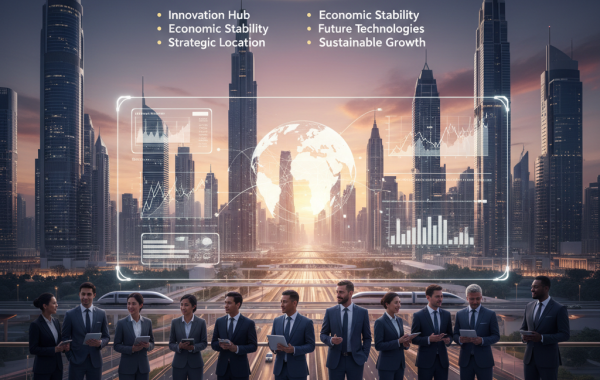
Geographically, the UAE serves as a gateway between the East and West, making it a pivotal trade hub. Its strategic location facilitates easy access to international markets, boosting trade activities. The development of world-class ports and airports has further enhanced its logistical capabilities, supporting the growth of e-commerce and trade.
Conclusion
The UAE’s booming economy is a testament to its strategic vision, adaptability, and commitment to innovation. As it continues to diversify and invest in future-ready sectors, the UAE is well-positioned to maintain its status as a leading economic powerhouse in the region and beyond.