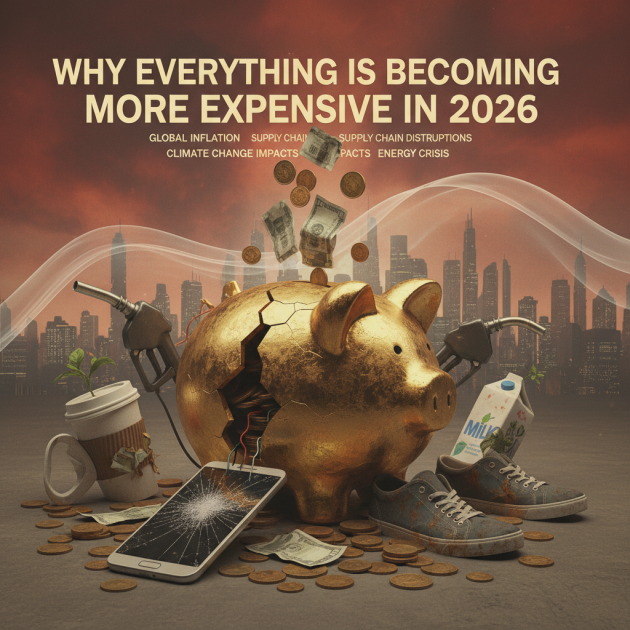

Understanding the Economic Landscape of 2026
As we navigate through 2026, many consumers are noticing a concerning trend: prices are rising across the board. From groceries to housing, the cost of living seems to be climbing at an alarming rate. In this article, we will explore the underlying factors contributing to this inflationary wave and what it means for you.
1. Supply Chain Disruptions
One of the major reasons for increased prices is the ongoing supply chain disruptions. Although the global economy has made significant strides in recovering from the disruptions caused by the COVID-19 pandemic, various factors continue to strain supply chains:
- Geopolitical tensions: Conflicts, trade wars, and sanctions can disrupt the flow of goods.
- Natural disasters: Events such as hurricanes, floods, and wildfires can severely impact production and distribution.
- Labor shortages: The pandemic has led to a shift in workforce availability, resulting in fewer workers to meet demand.
2. Increased Production Costs
Manufacturers are facing higher production costs, which inevitably get passed on to consumers. Several factors contribute to this trend:
- Raw material shortages: The scarcity of essential materials, such as metals and lumber, has driven prices up.
- Energy prices: Rising fuel costs impact everything from transportation to manufacturing processes.
- Regulatory changes: New environmental regulations may lead to increased compliance costs for businesses.
3. Inflationary Pressures
Inflation is a natural part of any economy, but the rate at which inflation is rising in 2026 is alarming:
- Monetary policy: Central banks have implemented policies that increase the money supply, leading to more money chasing the same amount of goods.
- Consumer demand: As economies reopen, pent-up demand is driving prices higher, especially in sectors like travel and hospitality.
- Wage increases: Labor shortages are forcing companies to raise wages, which can lead to higher prices for goods and services.
4. Changes in Consumer Behavior
The pandemic has also altered consumer behavior, affecting how and where people spend their money:
- Shift to online shopping: Increased demand for e-commerce has led to higher shipping costs.
- Increased spending on experiences: As restrictions lift, consumers are prioritizing travel and leisure, driving up prices in these sectors.
- Focus on sustainability: Consumers are increasingly willing to pay a premium for eco-friendly products.
5. Global Economic Factors
The interconnectedness of the global economy means that events in one region can have far-reaching effects. For example:
- Currency fluctuations: A weak domestic currency can make imports more expensive.
- International trade policies: Tariffs and trade agreements can alter the cost of goods.
- Global demand shifts: As emerging markets grow, competition for resources can drive prices higher.
6. What Can Consumers Do?
While many of the factors driving prices up are beyond individual control, consumers can take proactive steps to mitigate the impact:
- Budget wisely: Keep track of expenses and prioritize essential purchases.
- Shop smart: Look for deals, buy in bulk, and consider alternatives to brand-name products.
- Stay informed: Understanding economic trends can help you make better financial decisions.
Conclusion
The rising costs in 2026 are a complex interplay of supply chain issues, production costs, inflation, and consumer behavior. By staying informed and adapting to these changes, consumers can navigate this challenging economic landscape more effectively.