
Understanding Inflation
Inflation refers to the rate at which the general level of prices for goods and services rises, eroding purchasing power. It’s an essential economic indicator that affects consumers, businesses, and policymakers alike.
Current Inflation Trends
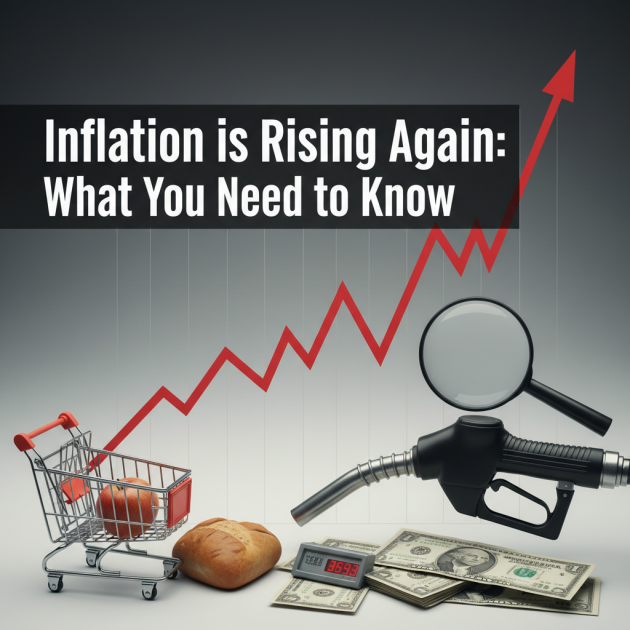
As of late 2023, inflation has begun to climb again, prompting concerns among economists and consumers. After a period of relative stability, several factors are contributing to this resurgence:
- Supply Chain Disruptions: Ongoing issues in global supply chains have led to delays and shortages, driving prices higher.
- Increased Demand: Post-pandemic recovery has seen a surge in consumer demand, further fueling price increases.
- Energy Costs: Rising oil prices have a ripple effect, influencing transportation and production costs across various sectors.
How Inflation Affects You
Inflation impacts your finances in several ways:
- Purchasing Power: As prices rise, the same amount of money buys fewer goods and services. This can affect your daily expenses, from groceries to gas.
- Interest Rates: Central banks often respond to inflation by raising interest rates. This can make borrowing more expensive, affecting mortgages, car loans, and credit card rates.
- Savings and Investments: Inflation can erode the value of your savings if interest rates on savings accounts don’t keep pace with inflation. Additionally, some investments may not perform well in high-inflation environments.
Strategies to Combat Inflation
While you can't control inflation, there are strategies you can employ to mitigate its effects on your personal finances:
- Budget Wisely: Review and adjust your budget to account for rising costs. Focus on essential expenses and identify areas where you can cut back.
- Consider Fixed-Rate Loans: If you're considering borrowing, look for fixed-rate loans. These can provide stability in your payments even as interest rates rise.
- Invest in Assets that Hedge Against Inflation: Consider investing in commodities, real estate, or inflation-linked bonds. These assets often perform better during inflationary periods.
- Increase Your Income: Explore opportunities for additional income through side jobs or investing in your skills to enhance your career prospects.
Long-Term Outlook
The long-term outlook for inflation depends on several factors, including government policies, global economic conditions, and consumer behavior. While short-term fluctuations are common, understanding the underlying causes can help you navigate these changes effectively.
Conclusion
As inflation rises again, staying informed and proactive about your financial decisions is crucial. By understanding the impacts and employing effective strategies, you can protect your purchasing power and financial stability in uncertain times.