
The Future of Retail in Europe: A 2026 Perspective
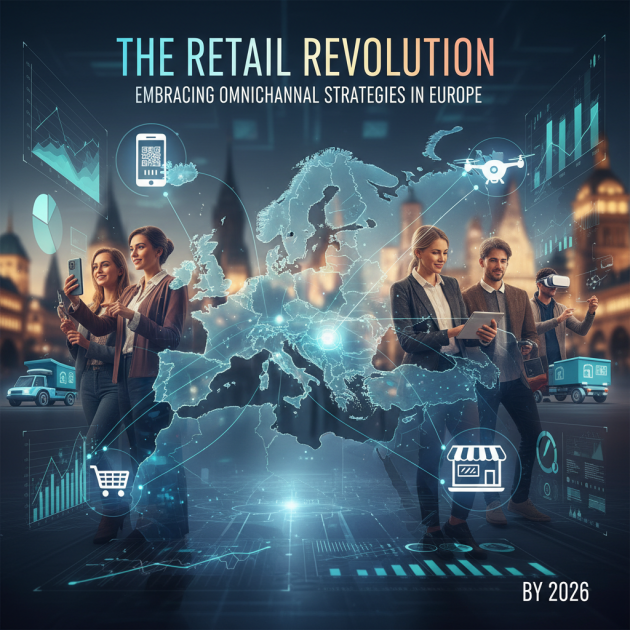
As we navigate through 2026, the retail landscape in Europe is undergoing a significant transformation. The rise of omnichannel strategies has reshaped the way businesses interact with consumers, while traditional brick-and-mortar stores are facing a decline. This article explores these trends and their implications for the future of retail.
The Rise of Omnichannel Retailing
Omnichannel retailing refers to a seamless approach to sales that integrates various shopping channels, including physical stores, e-commerce websites, and mobile apps. This strategy has become essential for retailers in 2026 as consumers expect a cohesive shopping experience across all platforms.
- Consumer Expectations: Today's consumers are more informed than ever, often researching products online before making a purchase. They expect to find consistent pricing, promotions, and product availability across all channels.
- Enhanced Customer Experience: Retailers are embracing technology, such as augmented reality and AI-driven chatbots, to enrich the shopping experience. These tools not only provide convenience but also personalize interactions, fostering customer loyalty.
- Integration of Online and Offline: Successful retailers are merging their online and offline operations. For instance, click-and-collect services allow customers to order online and pick up in-store, enhancing convenience.
Decline of Traditional Retail Stores
While omnichannel strategies flourish, traditional retail stores are witnessing a notable decline. Several factors contribute to this trend:
- Shift in Consumer Behavior: The pandemic accelerated the shift towards online shopping. In 2026, many consumers prefer the convenience of shopping from home, resulting in reduced foot traffic in physical stores.
- Cost Efficiency: Operating a physical store involves significant overhead costs, including rent and utilities. Many retailers are opting to downsize or close brick-and-mortar locations to redirect resources towards enhancing their online presence.
- Changing Retail Formats: The traditional retail model is evolving. Pop-up shops and experiential stores are gaining popularity, providing unique shopping experiences rather than just a transactional space.
Adapting to Change: Retailers’ Strategies
To thrive in this dynamic environment, retailers are adopting various strategies:
- Investing in Technology: Retailers are increasingly investing in technology to streamline operations and enhance customer engagement. This includes adopting advanced analytics to understand consumer behavior and preferences.
- Focus on Sustainability: As consumers become more eco-conscious, retailers are prioritizing sustainable practices. This includes sourcing products ethically, reducing waste, and offering eco-friendly packaging.
- Building Stronger Online Presence: A robust online presence is crucial for survival. Retailers are optimizing their websites for mobile devices, enhancing user experience, and leveraging social media for marketing.
The Future Outlook
Looking ahead, the retail sector in Europe will continue to evolve. Retailers that embrace omnichannel strategies will likely thrive, while those that cling to traditional models may struggle to survive. The decline of physical stores is not the end, but a transition to a new era of retail that prioritizes consumer convenience and experience.
As we move further into 2026, it is clear that adaptability and innovation will be the keys to success in the ever-changing retail landscape.