Introduction
In recent years, Morocco has been making headlines not just for its stunning landscapes and rich culture, but also for its strategic importance in the global business landscape. As Africa continues to emerge as a hub for economic growth and innovation, Morocco is quickly becoming a vital gateway for international businesses looking to expand their operations across the continent.
Geographical Advantage
Morocco's geographical location is one of its most significant assets. Situated at the crossroads of Europe, Africa, and the Middle East, it offers businesses easy access to key markets. With the Mediterranean Sea to the north and the Atlantic Ocean to the west, Moroccan ports serve as critical logistics hubs for shipping goods to various regions.
Proximity to Europe
- Morocco is just a short ferry ride away from Spain, making it an ideal location for European businesses.
- The country’s well-developed transport infrastructure facilitates trade with European nations.
Access to Sub-Saharan Africa
- Morocco has established numerous trade agreements with countries in Sub-Saharan Africa, enhancing its role as a gateway.
- The African Continental Free Trade Area (AfCFTA) further solidifies Morocco's position by reducing tariffs and fostering trade.
Economic Stability and Growth
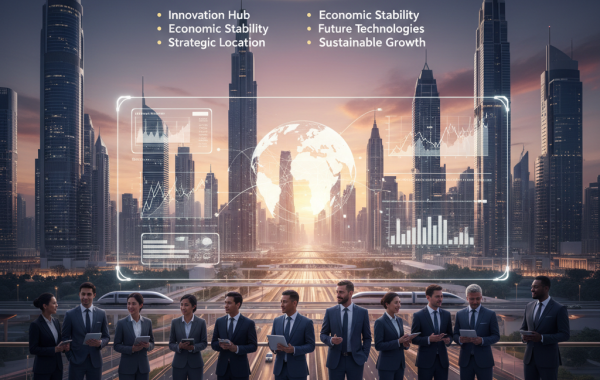
Morocco boasts a stable political environment and a growing economy. The government has implemented several reforms aimed at attracting foreign investment and stimulating economic growth. With a focus on diversifying its economy away from traditional sectors like agriculture and mining, Morocco has made strides in developing sectors such as technology, renewable energy, and manufacturing.
Investment Opportunities
Various sectors in Morocco present lucrative investment opportunities:
- Renewable Energy: As one of the leading countries in renewable energy, Morocco aims to generate over 50% of its energy from renewable sources by 2030.
- Manufacturing: The country has a burgeoning automotive and aerospace industry, attracting major global players.
- Technology and Innovation: With numerous tech hubs and incubators, Morocco is becoming a center for startups and innovation.
Infrastructure Development
Morocco is heavily investing in infrastructure to support its economic ambitions. Major projects such as the Tangier Med Port, which is one of the largest ports in Africa, are enhancing the country's logistics capabilities. Additionally, the development of high-speed rail networks is improving connectivity within the country and to neighboring regions.
Transport and Logistics
The improvement of transport networks is crucial for facilitating trade:
- Modern road and rail networks allow for the efficient movement of goods.
- Airports are expanding to accommodate increasing cargo traffic, providing swift access to international markets.
Favorable Business Environment
The Moroccan government has established a business-friendly environment characterized by:
- Tax Incentives: Attractive tax breaks and incentives are offered to foreign investors.
- Free Trade Zones: These zones provide businesses with additional benefits, including reduced tariffs and simplified customs procedures.
Regulatory Framework
Morocco has made significant strides in improving its regulatory framework, making it easier for foreign businesses to operate. The establishment of the Moroccan Investment and Export Development Agency (AMDIE) has streamlined processes and enhanced support for investors.
Conclusion
As Africa continues to grow as a significant player in the global economy, Morocco is well-positioned to serve as a strategic gateway for international businesses. With its favorable geographical location, economic stability, ongoing infrastructure development, and a conducive business environment, Morocco is paving the way for a new era of trade and investment in Africa.