
Introduction
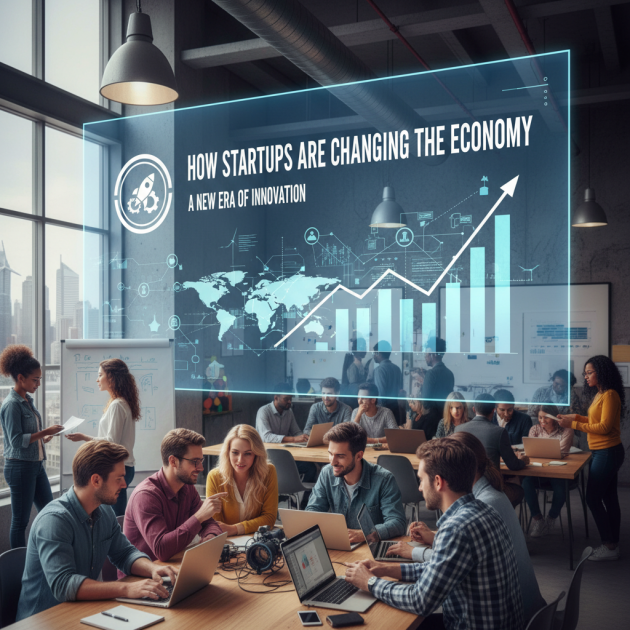
In recent years, the landscape of the global economy has been dramatically transformed by the rise of startups. These nimble, innovative companies are not just contributing to economic growth; they are fundamentally changing the way we think about business, employment, and technology. This article explores the multifaceted impact that startups have on the economy and why they are crucial for future growth.
The Role of Startups in Economic Growth
Startups play a pivotal role in driving economic growth for several reasons:
- Job Creation: Startups are significant job creators. According to the U.S. Small Business Administration, startups have generated approximately 64% of new jobs over the past 20 years. As these companies grow, they require more employees, which helps reduce unemployment rates.
- Innovation and Disruption: Startups are often at the forefront of innovation. They challenge established companies by introducing disruptive technologies and business models that can revolutionize entire industries. This innovation fosters competition, which can lead to better products and services for consumers.
- Economic Diversification: By entering various sectors, startups contribute to economic diversification. This reduces reliance on traditional industries and helps economies become more resilient to market fluctuations.
The Influence of Technology on Startups
The rapid advancement of technology has played an essential role in the startup ecosystem. Here’s how:
- Access to Resources: The internet and technological tools have made it easier for entrepreneurs to start and scale their businesses. Cloud computing, social media, and e-commerce platforms provide startups with resources that were previously available only to large corporations.
- Global Reach: Startups can now reach a global audience with minimal investment. Digital marketing and online sales channels allow them to compete on an international scale, opening up new markets and opportunities.
- Data-Driven Decisions: Startups leverage data analytics to understand consumer behavior and market trends. This ability to make informed decisions enhances their chances of success in a competitive landscape.
The Startup Culture and Economic Ecosystem
The culture surrounding startups also contributes to economic change:
- Collaboration and Networking: Startups often thrive in collaborative environments such as incubators and co-working spaces. These settings foster networking, mentorship, and sharing of resources, which can accelerate growth.
- Investment Opportunities: The rise of venture capital and angel investors has provided startups with the financial backing they need to innovate and grow. This influx of capital has created a vibrant investment ecosystem that supports new ideas and technologies.
- Focus on Sustainability: Many startups prioritize sustainable practices and social responsibility, reflecting changing consumer preferences. This shift towards sustainability is not only good for the planet but also creates new market opportunities and enhances brand loyalty.
Challenges Faced by Startups
Despite their potential, startups face numerous challenges that can hinder their success:
- Access to Funding: While funding opportunities have increased, many startups still struggle to secure financing, particularly in the early stages. This challenge can limit their ability to scale and innovate.
- Market Competition: The startup space is highly competitive, with new companies emerging constantly. Startups must differentiate themselves and prove their value to stand out in the crowded marketplace.
- Regulatory Hurdles: Navigating regulations can be daunting for startups, especially in industries like healthcare and finance. Compliance can be costly and time-consuming, diverting resources away from growth initiatives.
Conclusion
Startups are undeniably changing the economy by driving innovation, creating jobs, and fostering competition. As they continue to evolve and adapt to new challenges, their impact will only grow stronger. Understanding the dynamics of startups is essential for anyone looking to grasp the future of the economy.