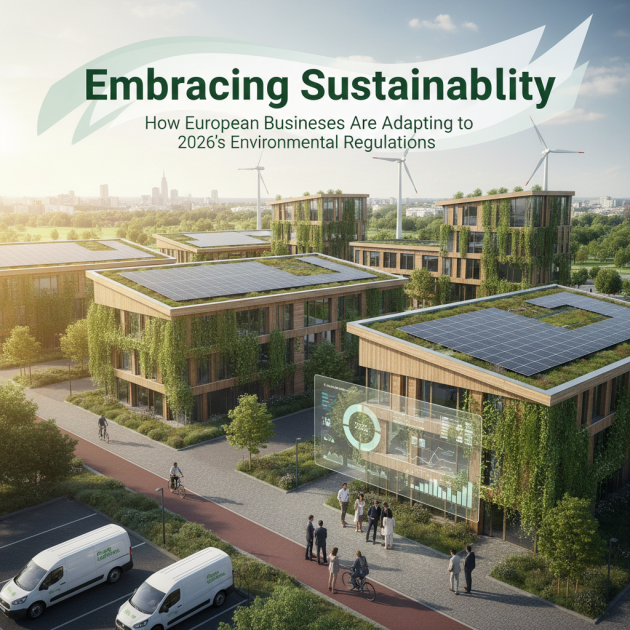

The Green Shift in European Business Practices
In 2026, Europe is witnessing a significant transformation in the business landscape as companies increasingly embrace sustainable practices. With stringent environmental regulations being implemented, businesses are not just complying; they are innovating and thriving. This article explores how European companies are adapting to these changes and the benefits they are reaping.
The Regulatory Landscape
In recent years, European governments have rolled out a series of environmental regulations aimed at reducing carbon emissions and promoting sustainability. The European Green Deal, which aims to make Europe the first climate-neutral continent by 2050, has set the stage for stricter laws and guidelines in 2026.
- Carbon Pricing: Many countries have introduced carbon pricing mechanisms, compelling businesses to account for their carbon footprint.
- Waste Management Regulations: New laws mandate better waste management practices, pushing companies to reduce, reuse, and recycle.
- Energy Efficiency Standards: Stricter standards for energy consumption have been established, encouraging companies to invest in renewable energy sources.
Adapting to Change
To thrive under these new regulations, businesses are adopting various strategies that not only ensure compliance but also enhance their competitiveness.
1. Integrating Sustainability into Core Operations
Companies are increasingly integrating sustainability into their core operations. This means embedding environmental considerations into their business models, from product design to supply chain management. For example, leading manufacturers are designing products with a focus on circular economy principles, ensuring that materials can be reused or recycled.
2. Investing in Green Technologies
Investment in green technologies has surged as companies look to reduce their environmental impact. This includes adopting renewable energy sources such as solar and wind, as well as implementing energy-efficient technologies in production processes. For instance, a growing number of firms are utilizing AI and IoT to optimize energy consumption and minimize waste.
3. Engaging Stakeholders
Successful adaptation requires collaboration across various stakeholders. Businesses are engaging with suppliers, customers, and even competitors to share best practices and develop sustainable solutions. Stakeholder engagement not only helps in compliance but also fosters innovation through collaborative efforts.
4. Transparency and Reporting
Transparency has become a crucial element of modern business practices. Companies are now expected to report on their sustainability efforts, detailing their carbon emissions, waste management practices, and the steps they are taking towards sustainability. This shift towards accountability is driving businesses to be more proactive in their environmental initiatives.
Benefits of Sustainable Practices
Adopting sustainable practices offers numerous benefits that extend beyond regulatory compliance.
- Enhanced Brand Reputation: Companies recognized for their commitment to sustainability often enjoy enhanced brand loyalty and customer trust.
- Cost Savings: Implementing energy-efficient technologies and reducing waste can lead to significant cost savings in the long run.
- Attracting Investment: Investors are increasingly looking for companies that prioritize sustainability, making it easier for green businesses to secure funding.
- Market Opportunities: The demand for sustainable products and services is growing, opening new market opportunities for innovative companies.
Conclusion
As Europe moves towards a more sustainable future, businesses that adapt to environmental regulations will not only ensure compliance but also position themselves for long-term success. By integrating sustainability into their operations, investing in green technologies, engaging stakeholders, and maintaining transparency, European companies are leading the charge in the green revolution of 2026.