
The E-commerce Boom in Europe by 2026
As we approach 2026, the landscape of e-commerce in Europe is undergoing significant transformation. With technological advancements and changing consumer behaviors, the online retail market is poised for remarkable growth. According to recent statistics, e-commerce sales in Europe are expected to reach unprecedented levels, driven by an increase in online shopping preferences.
Growth Drivers of E-commerce
Several factors contribute to this e-commerce expansion:
- Increased Internet Penetration: With more than 90% of Europeans now online, the potential customer base for e-commerce has never been larger.
- Mobile Shopping: The rise of smartphones has made it easier for consumers to shop online, prompting retailers to optimize mobile platforms.
- Consumer Expectations: Today’s consumers demand convenience, speed, and variety, compelling businesses to enhance their online offerings.
- Sustainability Concerns: Eco-conscious consumers are pushing brands to adopt environmentally friendly practices, influencing e-commerce strategies.
Logistics Challenges in E-commerce
As e-commerce grows, logistics and delivery systems face unique challenges that need to be addressed to ensure seamless operations. European retailers must navigate various hurdles:
- Last-Mile Delivery: This is often the most complicated and costly part of the delivery process, with consumers increasingly expecting faster and more flexible options.
- Cross-Border Shipping: E-commerce businesses must deal with varying regulations, customs, and taxes when shipping across EU countries.
- Inventory Management: Rapidly changing consumer demands make it essential for retailers to manage their stock effectively to avoid delays.
Innovative Solutions in Logistics
To tackle these challenges, businesses are implementing innovative logistics solutions:
1. Advanced Technology Integration
Technologies such as artificial intelligence (AI), machine learning, and data analytics are being integrated into logistics processes. These tools help businesses forecast demand, optimize delivery routes, and manage inventory more efficiently.
2. Automation and Robotics
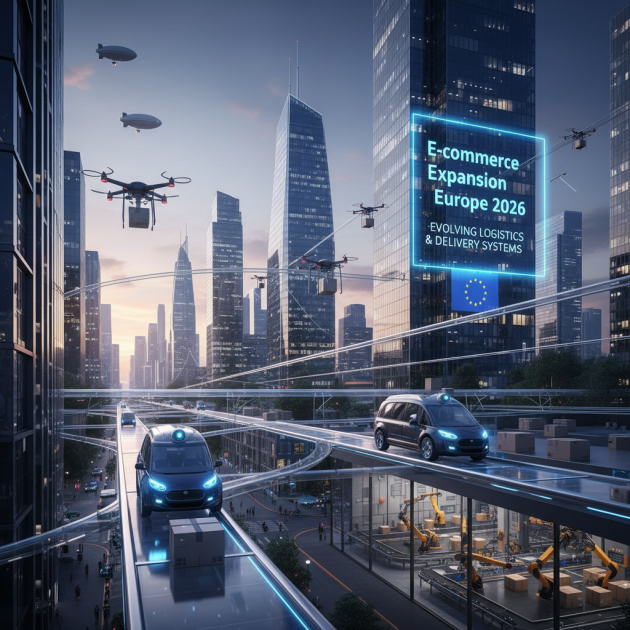
Warehouses are increasingly adopting automation and robotics to streamline operations. Automated sorting systems and drones are reducing labor costs and improving delivery speed.
3. Sustainable Delivery Methods
With the growing emphasis on sustainability, many companies are exploring eco-friendly delivery options. This includes electric vehicles for transportation and the use of bicycle couriers in urban areas to reduce carbon footprints.
4. Flexible Delivery Options
To meet consumer demands for convenience, retailers are offering various delivery options, including same-day delivery, click-and-collect, and locker systems for secure pickup.
The Future of E-commerce in Europe
Looking ahead, the e-commerce landscape in Europe is set to evolve further. Retailers must remain agile and adaptable to changing market conditions and consumer expectations. By leveraging technology and optimizing logistics, businesses can enhance customer satisfaction and drive growth.
Conclusion
The expansion of e-commerce in Europe by 2026 is inevitable, and the evolution of logistics and delivery systems will play a crucial role in this growth. Companies that invest in innovative solutions will not only survive but thrive in the competitive online marketplace.