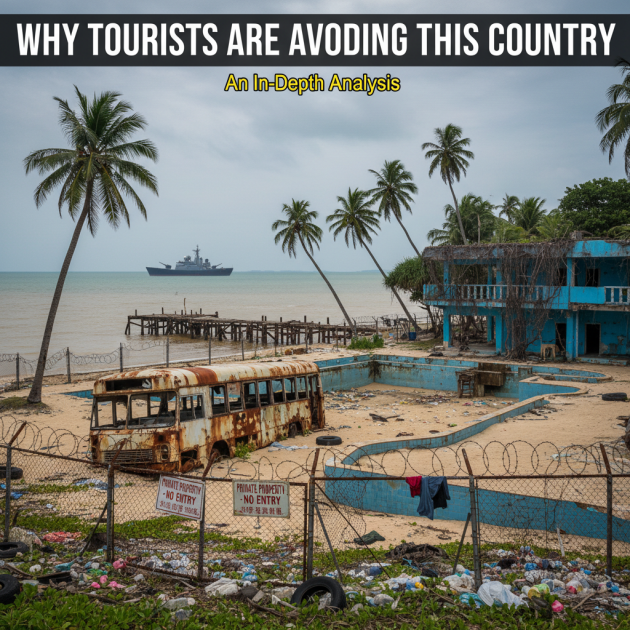

Introduction
Tourism is often considered a vital component of any country's economy, providing jobs, boosting local businesses, and enhancing cultural exchange. However, some countries are experiencing a significant drop in tourist arrivals. In this article, we will explore the reasons behind this decline and what it means for the future of tourism in the affected regions.
Safety Concerns
One of the primary reasons tourists are avoiding certain countries is safety. Political instability, high crime rates, and social unrest can deter potential visitors. For instance, countries experiencing ongoing conflicts or those with a rise in violent crime often find themselves on the travel advisory lists of many governments.
- Political instability: Recent coups or governmental changes can create uncertainty.
- High crime rates: Areas known for crime can make tourists feel unsafe.
- Health risks: Outbreaks of diseases can lead to travel hesitance.
Economic Challenges
Economic downturns can also play a significant role in declining tourist numbers. Countries facing severe economic challenges often struggle to maintain infrastructure and services that cater to tourists. A lack of investment in tourism can result in outdated facilities, fewer attractions, and a general decline in the quality of the visitor experience.
- Declining infrastructure: Poor transportation and accommodation options can deter visitors.
- Inflation: Rising prices can make a destination less attractive.
- Currency fluctuations: An unfavorable exchange rate can discourage international travelers.
Environmental Issues
In recent years, environmental issues have become increasingly important to travelers. Countries that fail to address pollution, climate change, and natural disasters may find themselves losing potential visitors. Tourists are now more aware of their carbon footprint and many prefer destinations that promote sustainability.
- Pollution: High levels of air and water pollution can deter health-conscious travelers.
- Natural disasters: Areas prone to earthquakes, hurricanes, or floods may not seem appealing.
- Sustainability: Destinations that neglect environmental conservation may face backlash.
Negative Media Coverage
Media portrayal can heavily influence public perception of a country. Negative news stories about crime, political issues, or health risks can create fear and anxiety among potential tourists. When travelers see unfavorable coverage, they may choose to avoid that country entirely.
- Scandals: Reports of corruption can lead to a loss of trust.
- Travel advisories: Governments often issue advisories based on media coverage.
- Social media: Negative reviews and posts can spread quickly, impacting tourism.
Competition from Other Destinations
As more countries invest in tourism infrastructure and marketing, competition becomes fierce. Tourists now have a plethora of options, and if one destination is perceived as problematic, travelers will easily pivot to others that offer similar experiences but with fewer risks.
- Emerging destinations: New countries or regions can attract tourists seeking novelty.
- Better deals: Competitive pricing and packages can sway travelers.
- Cultural offerings: Unique experiences elsewhere can overshadow traditional tourist spots.
Conclusion
Tourism is a complex industry influenced by various factors, including safety, economic conditions, environmental concerns, media coverage, and competition. To regain tourist interest, affected countries must address these challenges head-on, improving safety, investing in infrastructure, and promoting sustainable practices. Only by tackling these issues can they hope to attract visitors again.