
Introduction
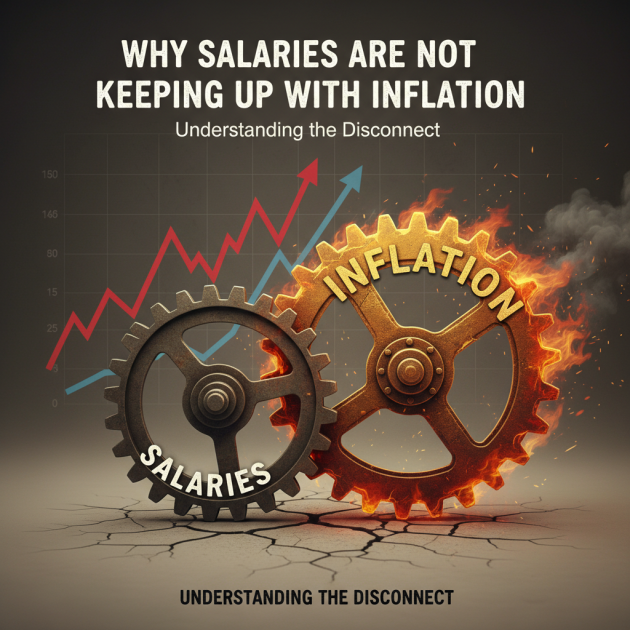
In recent years, consumers have experienced rising prices in everyday goods and services, leading to a growing concern regarding the stagnation of wages. Despite the increasing cost of living, many salaries have not seen corresponding increases, leaving workers feeling squeezed. This article delves into the reasons behind the disconnect between salaries and inflation, shedding light on the underlying economic factors at play.
The Nature of Inflation
Inflation refers to the general increase in prices and the corresponding decrease in purchasing power. As the cost of goods and services rises, consumers find that their money buys less than it did before. This phenomenon can be influenced by various factors, including:
- Demand-Pull Inflation: When demand for goods exceeds supply, prices naturally rise.
- Cost-Push Inflation: Increases in production costs, such as labor and materials, often lead businesses to raise prices to maintain profit margins.
- Built-In Inflation: As prices rise, workers demand higher wages, which can lead to a cycle of wage increases and further price hikes.
Stagnant Wages: A Closer Look
While inflation has been on the rise, wage growth has been relatively sluggish for many workers. Several factors contribute to this trend:
- Globalization: Increased competition from international markets has pressured companies to keep wages low to maintain competitiveness.
- Technological Advancements: Automation and technology have changed the labor landscape, leading to job displacement and a weakening of bargaining power for workers.
- Weak Labor Unions: The decline of labor unions over the years has diminished workers' ability to negotiate for better wages and benefits.
- Shift to Gig Economy: The rise of freelance and gig work has led to less job security and fewer benefits, affecting overall wage growth.
The Impact of Inflation on Different Sectors
The impact of inflation is not uniform across all sectors. Some industries have seen better wage growth than others. For example:
- Healthcare: As the demand for healthcare services continues to rise, many healthcare professionals have seen significant wage increases.
- Technology: The tech sector has experienced rapid growth, often offering competitive salaries to attract talent.
- Retail and Hospitality: Conversely, these sectors have struggled to keep pace with inflation, often relying on minimum wage workers with little room for wage growth.
Government Policies and Their Role
Government policies play a crucial role in shaping the relationship between inflation and wages. Minimum wage laws, tax policies, and social safety nets can either alleviate or exacerbate the wage stagnation issue. For example, raising the federal minimum wage could provide immediate relief for low-income workers, helping them keep up with inflation.
Future Outlook: Can Wages Catch Up?
As we look to the future, several economic indicators suggest that wage growth may improve. Factors contributing to potential wage increases include:
- Labor Shortages: As certain industries face labor shortages, businesses may need to increase wages to attract and retain employees.
- Inflationary Pressures: Continued inflation may force companies to raise wages to avoid losing their workforce.
- Legislative Changes: Potential increases in minimum wage and enhanced labor rights could empower workers to negotiate better pay.
Conclusion
Understanding why salaries are not keeping up with inflation requires examining a complex web of economic factors, including globalization, technological changes, and labor dynamics. While the outlook remains uncertain, awareness of these issues is crucial for both employers and employees as they navigate the evolving economic landscape.