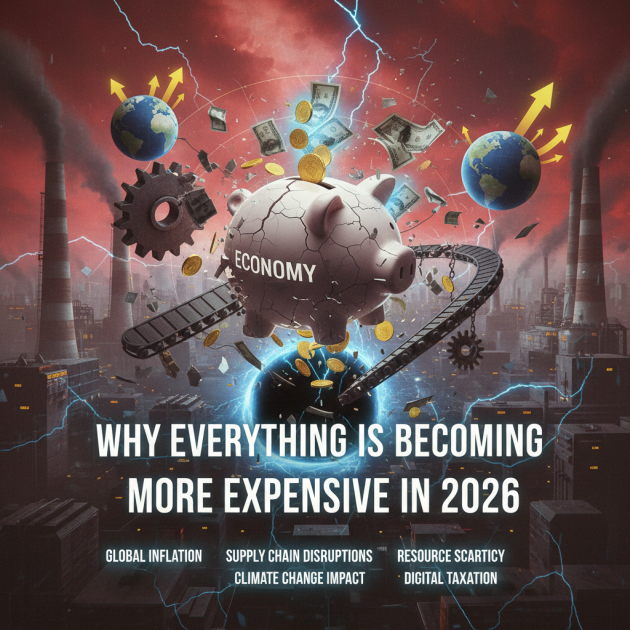

Understanding the Surge in Prices in 2026
As we navigate through 2026, consumers worldwide are grappling with escalating prices across various sectors. From groceries to housing, the cost of living is climbing, prompting many to ask, "Why is everything becoming more expensive?" This article delves into the primary factors contributing to this inflationary trend.
1. Supply Chain Disruptions
One of the most significant contributors to rising prices has been the persistent supply chain disruptions that began during the pandemic. Although many regions have returned to a semblance of normalcy, the ripple effects of these disruptions are still felt:
- Logistical Challenges: Shipping delays and increased freight costs continue to plague industries, making it difficult to get products to market.
- Labor Shortages: Many sectors are facing a shortage of workers, which leads to increased wages and operational costs that are often passed on to consumers.
2. Inflationary Pressures
Inflation has been a topic of concern for economists and consumers alike. In 2026, several factors are fuelling inflation:
- Monetary Policies: Central banks have implemented various monetary policies, including low interest rates and quantitative easing, which have increased the money supply and contributed to inflation.
- Consumer Demand: As economies rebounded, consumer demand surged, outpacing supply in many sectors, leading to price increases.
3. Energy Costs
The cost of energy has a ripple effect on the economy. In 2026, energy prices have been volatile due to:
- Geopolitical Tensions: Conflicts and political instability in key oil-producing regions have led to fluctuations in oil prices, which directly impact transportation and manufacturing costs.
- Transition to Renewable Energy: While the shift towards renewable energy is crucial for sustainability, the initial investment and infrastructure costs can lead to higher prices for consumers in the short term.
4. Housing Market Trends
The housing market has also seen substantial price increases. Factors influencing this trend include:
- Low Inventory: A shortage of available homes has driven up prices, making homeownership out of reach for many.
- Increased Demand: As remote work becomes more common, many people are relocating to suburban and rural areas, leading to increased competition for housing.
5. Global Economic Factors
The interconnectedness of the global economy means that events in one part of the world can have far-reaching effects:
- Trade Policies: Changes in trade agreements and tariffs can affect the cost of imported goods, pushing prices higher.
- Currency Fluctuations: Changes in currency values can impact import prices, particularly for countries reliant on foreign goods.
6. Consumer Behavior Changes
Finally, consumer behavior is shifting in ways that impact pricing:
- Increased Spending: With many consumers feeling more financially secure, increased spending has led to higher demand for goods and services.
- Preference for Quality: Consumers are increasingly willing to pay more for quality and sustainability, which can drive up prices across various markets.
Conclusion
The rising costs experienced in 2026 are the result of a complex interplay of factors including supply chain disruptions, inflationary pressures, energy costs, and shifts in consumer behavior. As we adapt to this new economic landscape, understanding these elements can help consumers make informed decisions about their spending and saving strategies.