
Introduction
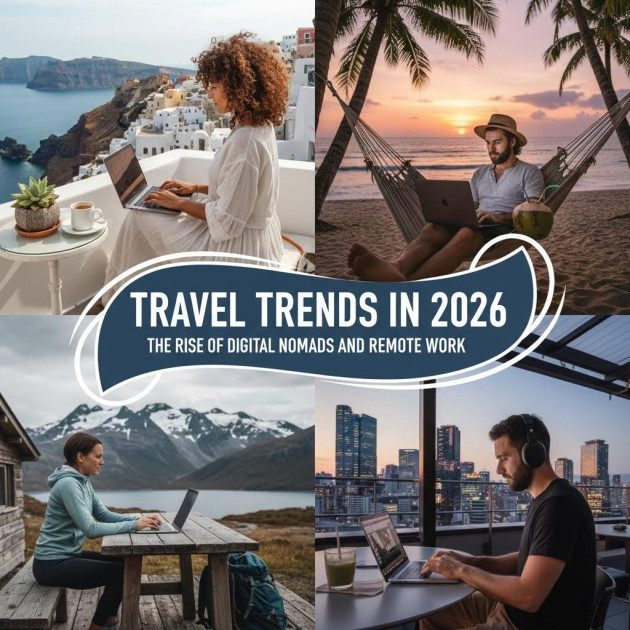
As we move towards 2026, the way we travel is undergoing a revolutionary transformation. With the rise of digital nomads and the increasing acceptance of remote work, travel is no longer just a vacation; it’s becoming a lifestyle. This article explores the key travel trends that are shaping the future, focusing on how these changes are redefining our experiences on the road.
The Digital Nomad Boom
Digital nomadism is not just a trend; it’s a movement that has gained significant traction in recent years. More professionals are choosing to work remotely, allowing them to travel while maintaining their careers. In 2026, this trend is expected to expand even further, with more tools and platforms supporting nomadic lifestyles.
Flexible Workspaces
With the rise of remote work, the demand for flexible workspaces has surged. Co-working spaces are popping up in exotic locations around the globe, catering specifically to digital nomads. These spaces offer not only a desk but also networking opportunities, social events, and a community of like-minded individuals.
Workcation Destinations
Destinations are now marketing themselves as 'workcation' spots, where you can enjoy a vacation while still being productive. Cities like Bali, Lisbon, and Medellín are becoming hubs for digital nomads, offering affordable living, fast internet, and vibrant cultures. Expect to see more locations catering to this lifestyle as demand increases.
Technology and Connectivity
As we look towards 2026, advancements in technology will further facilitate the digital nomad lifestyle. High-speed internet and reliable connectivity are becoming standard in even the most remote locations.
Remote Work Tools
Tools such as project management software, video conferencing, and cloud storage are essential for remote workers. In 2026, we can expect these tools to evolve, offering better integration and enhanced functionalities to support remote teams, regardless of their location.
Sustainable Travel Practices
As digital nomadism flourishes, there is a growing awareness of the impact travel has on the environment. By 2026, eco-friendly travel practices will be more than a trend; they will be a necessity.
Eco-Conscious Accommodations
- Green Hotels: More hotels and hostels will adopt sustainable practices, including energy-efficient systems and waste reduction programs.
- Local Experiences: Travelers will increasingly seek local, authentic experiences that promote cultural exchange while supporting local economies.
- Carbon Offsetting: Many travelers will choose to offset their carbon emissions by supporting environmental projects.
Health and Safety Considerations
Health and safety will continue to be a priority for travelers in 2026. The pandemic has significantly changed how we view travel, leading to a more cautious approach.
Travel Insurance and Health Protocols
Travel insurance that covers health emergencies, including COVID-19 related issues, will become standard. Additionally, health protocols such as vaccinations and testing will likely remain in place, particularly for international travel.
Conclusion
As we look forward to 2026, the future of travel is bright and filled with possibilities. The rise of digital nomads and remote work is shaping a new era of travel that prioritizes flexibility, sustainability, and connectivity. Embrace these trends and prepare for an exciting journey ahead!