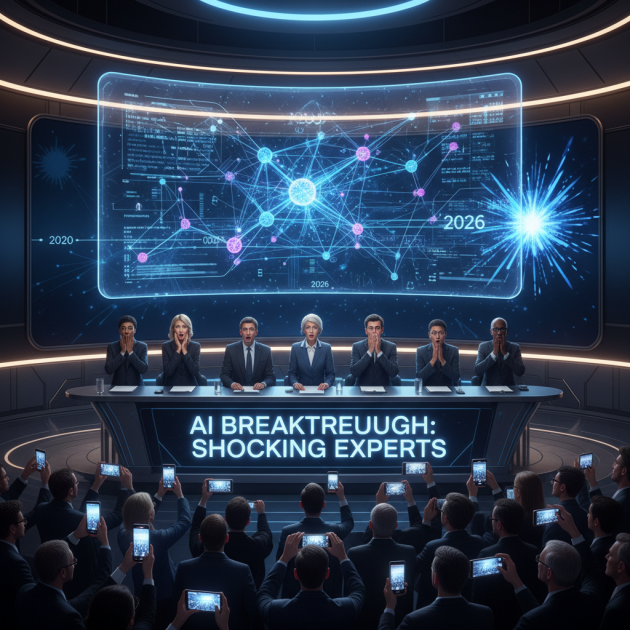

The Dawn of a New Era in AI
As we step into 2026, the world of artificial intelligence has reached unprecedented heights. This year has witnessed breakthroughs that are not only pushing the boundaries of technology but also reshaping our understanding of AI’s potential. Experts across various fields are expressing both excitement and concern about these advancements, which are transforming everything from healthcare to entertainment.
The Breakthrough: AI with Emotional Intelligence
One of the most shocking developments in 2026 is the emergence of AI systems that possess emotional intelligence. Researchers have successfully developed algorithms that can analyze human emotions through facial expressions, voice tones, and contextual cues. This capability allows AI to respond to human emotions in real time, creating a more empathetic interaction.
Applications in Mental Health
One of the most promising applications of emotionally intelligent AI is in mental health care. AI-driven chatbots and virtual therapists are now capable of providing support that is not only personalized but also emotionally attuned. These systems can detect signs of distress and adjust their responses accordingly, offering timely interventions that can significantly benefit individuals experiencing mental health challenges.
AI in the Workplace
In the corporate world, AI equipped with emotional intelligence is changing the dynamics of team collaboration and management. Companies are now utilizing AI tools to enhance employee engagement by analyzing sentiment within teams. This data helps managers identify potential conflicts and areas of dissatisfaction before they escalate, fostering a healthier work environment.
Ethical Considerations and Challenges
While the benefits of emotionally intelligent AI are undeniable, experts are raising ethical concerns about its implementation. Issues such as privacy, data security, and the potential for manipulation are at the forefront of discussions. As these AI systems learn from user interactions, there’s a risk of them exploiting emotional vulnerabilities, which could lead to unintended consequences.
AI in Education
AI’s emotional intelligence is also making waves in the education sector. Schools and universities are adopting AI tutors that can adapt their teaching methods based on students' emotional states. This personalized approach helps in recognizing when a student is struggling with a concept or feeling overwhelmed, allowing for tailored support that enhances learning outcomes.
The Future of AI and Human Interaction
As we look ahead, the integration of emotionally intelligent AI into our daily lives poses questions about the nature of human interaction. Will we become overly reliant on AI for emotional support? Or will this technology enhance our relationships by providing insights that were previously unattainable? Only time will tell, but one thing is certain: AI's role in society is evolving rapidly.
Conclusion: A Double-Edged Sword
The AI breakthroughs of 2026 are a testament to human ingenuity and the endless possibilities of technology. However, as we embrace these advancements, it is crucial to tread carefully. By prioritizing ethical considerations and fostering open discussions about the implications of emotionally intelligent AI, we can harness its potential for good while mitigating risks. The future of AI holds incredible promise, but it is our responsibility to ensure it serves humanity positively.
- Stay Informed: Follow the latest developments in AI and its applications across different sectors.
- Engage in Discussions: Participate in conversations about the ethical implications of new technologies.
- Explore Opportunities: Look for ways to leverage AI advancements in your personal or professional life.